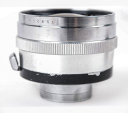
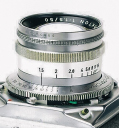
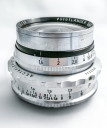
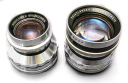
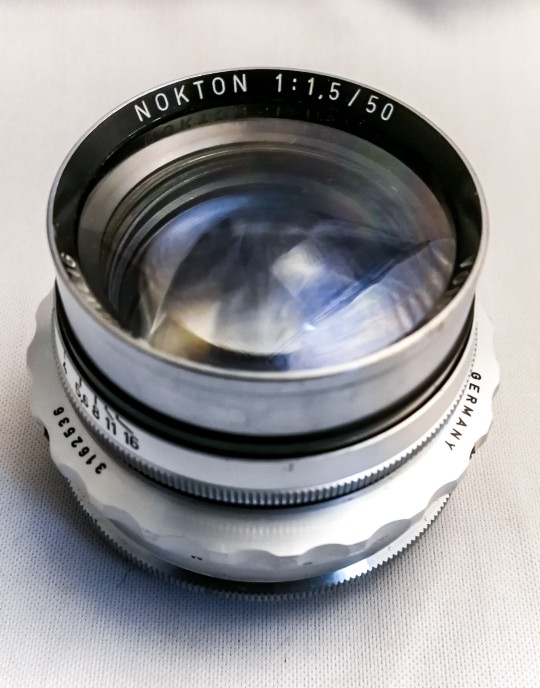
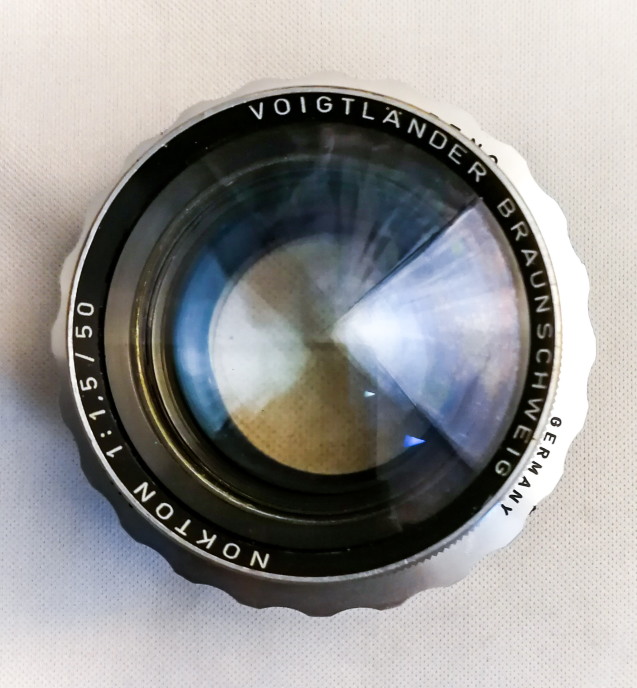
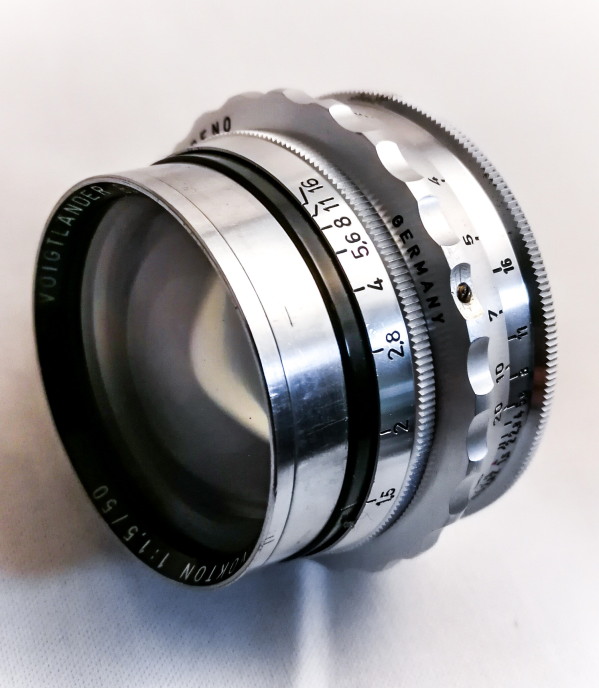
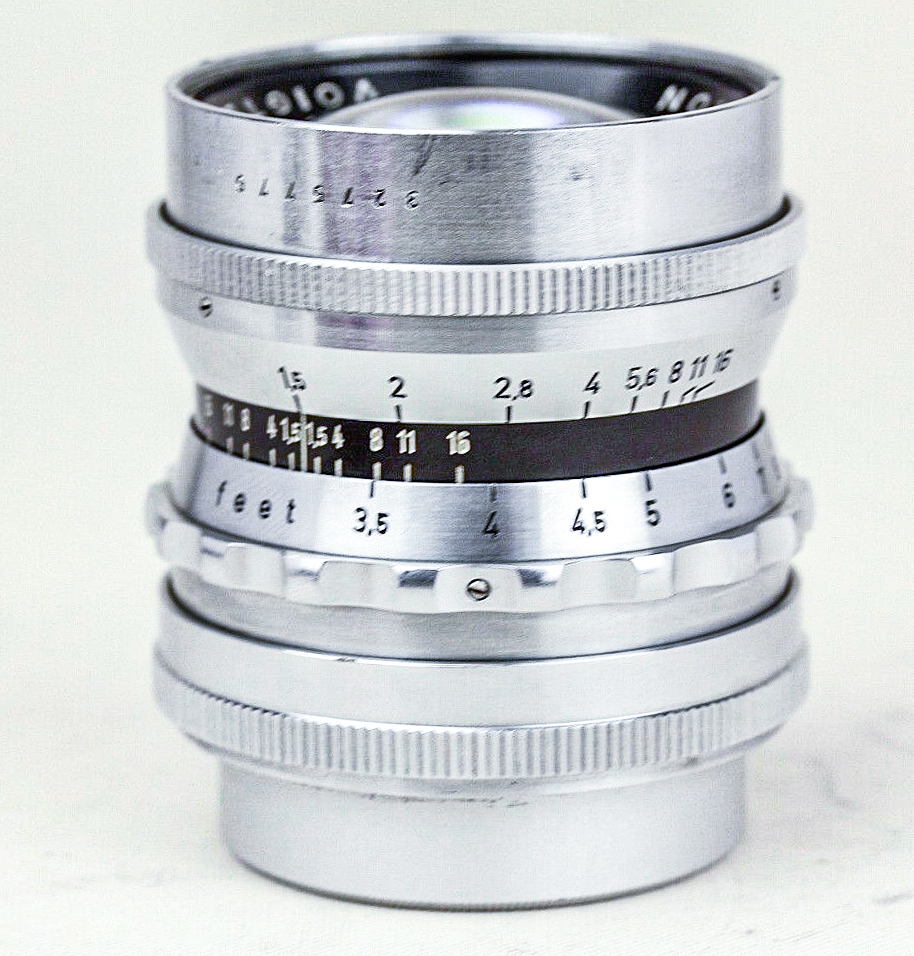
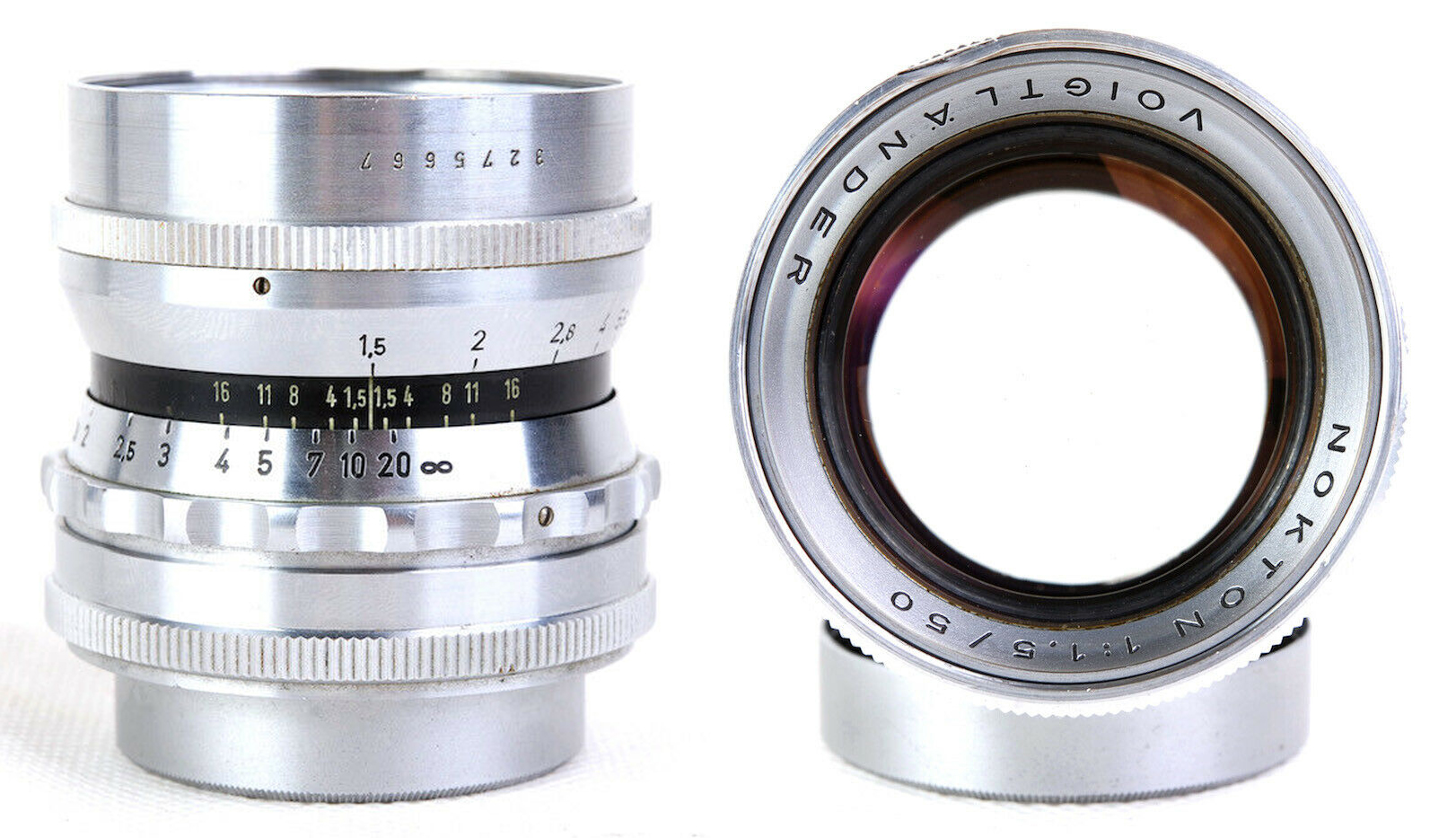
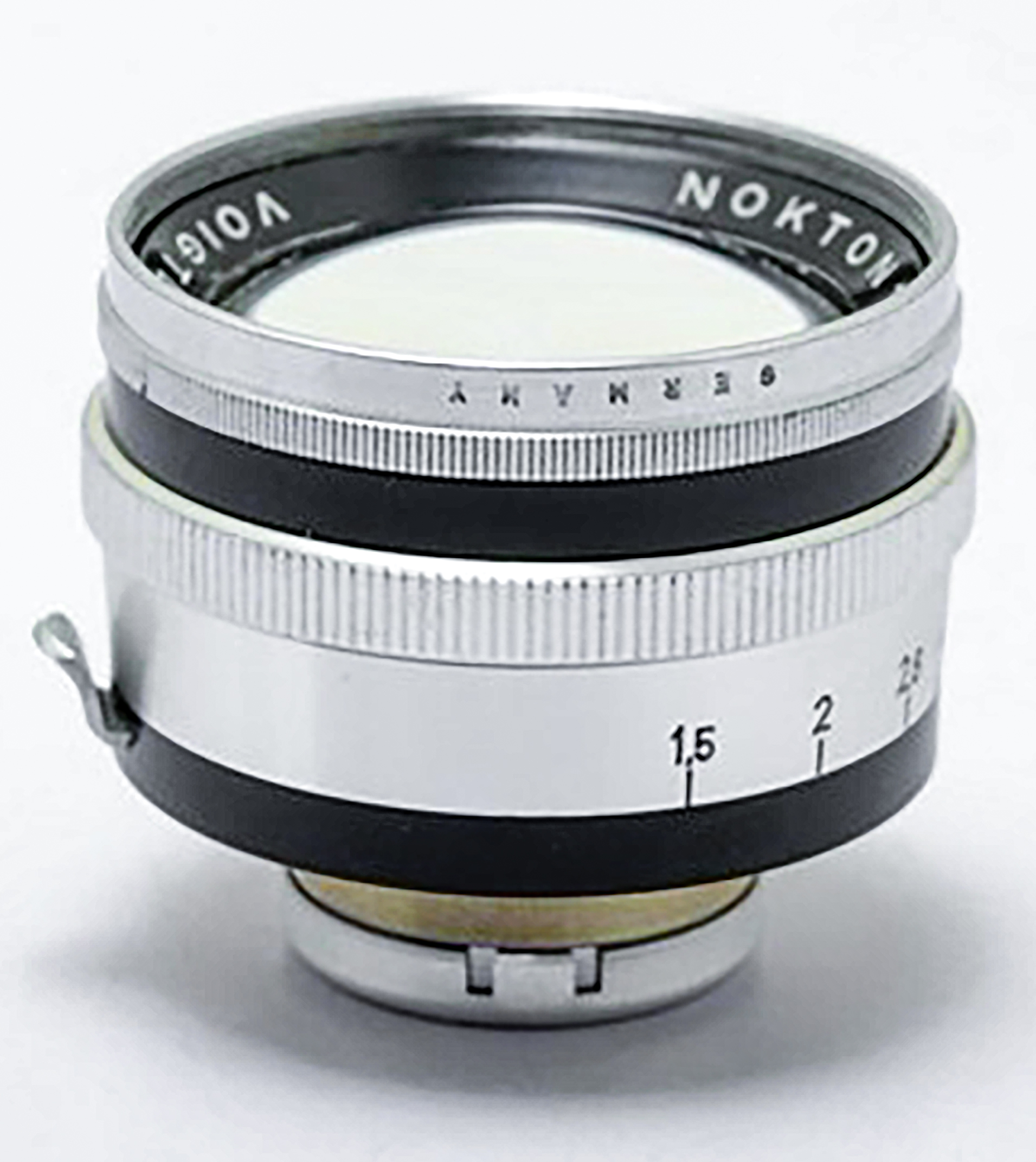
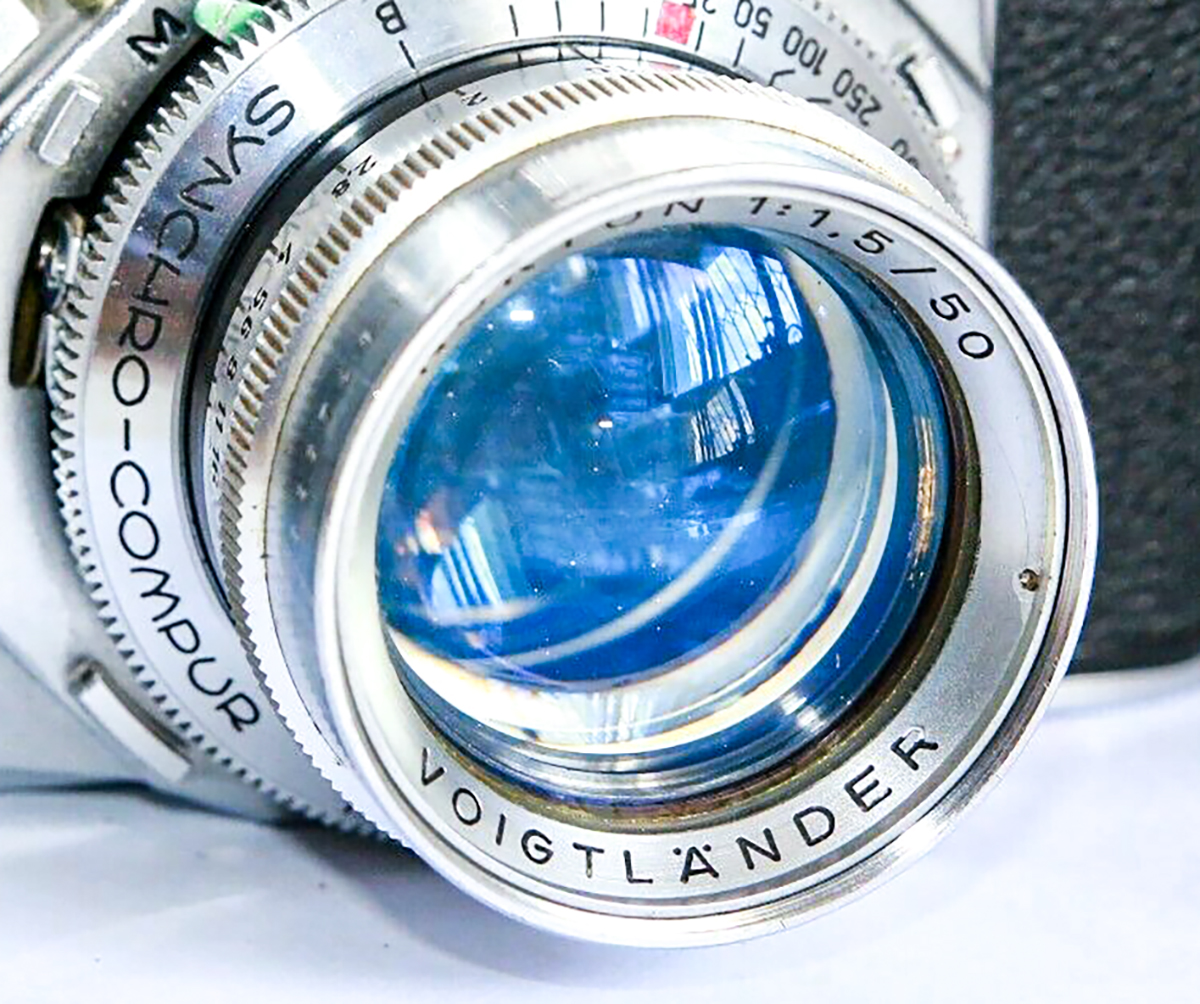
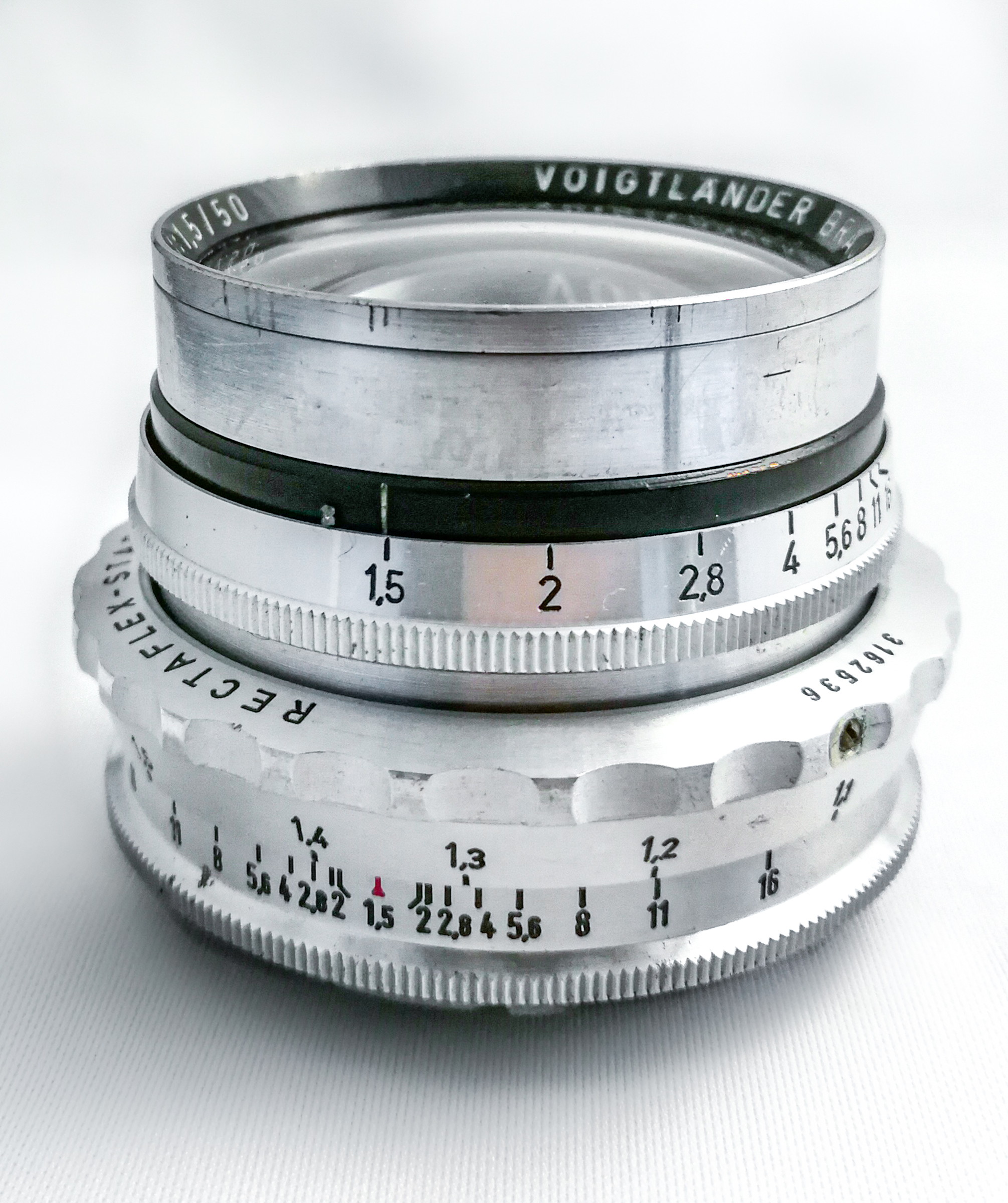
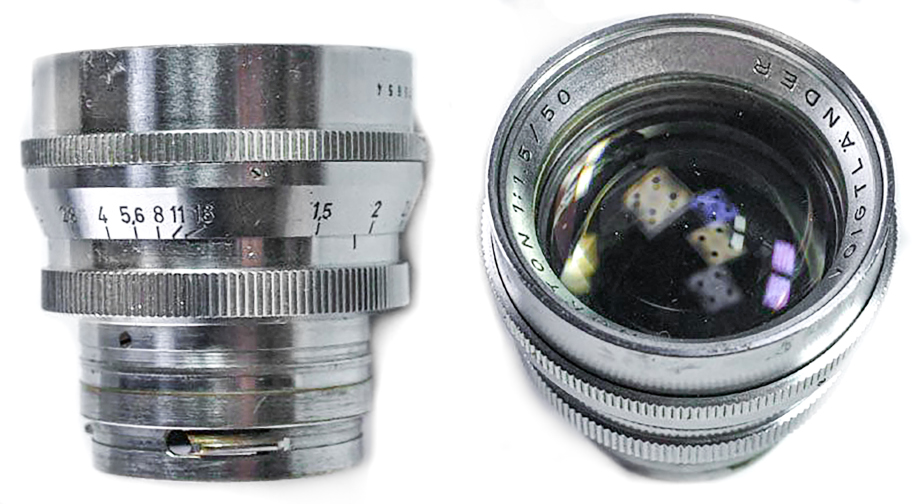
Voigtlander Nokton 50mm f1.5 for Rectaflex
 

Lens Data

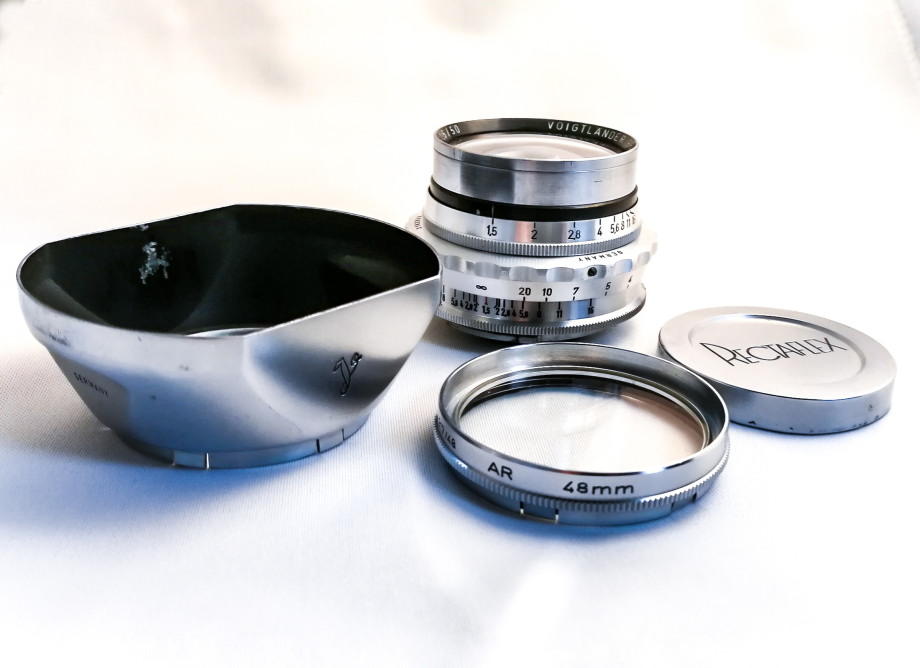
Lens Unit

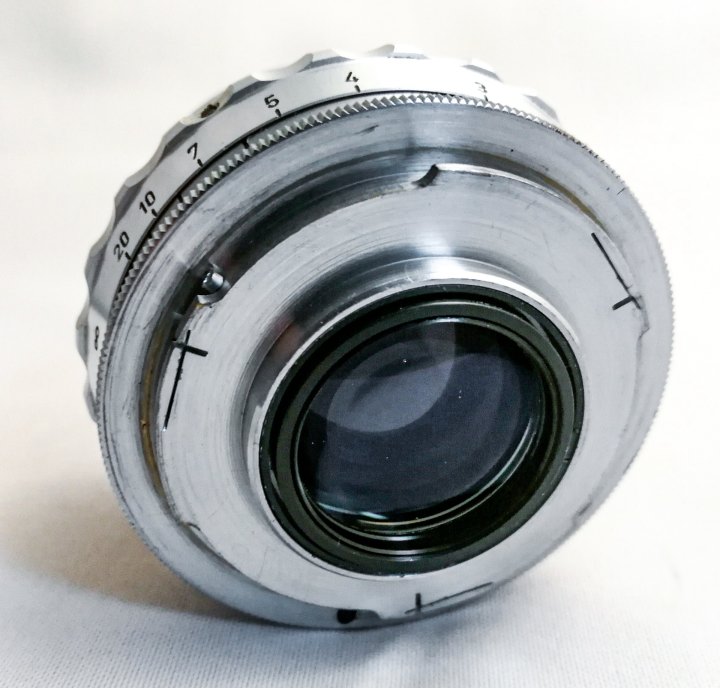
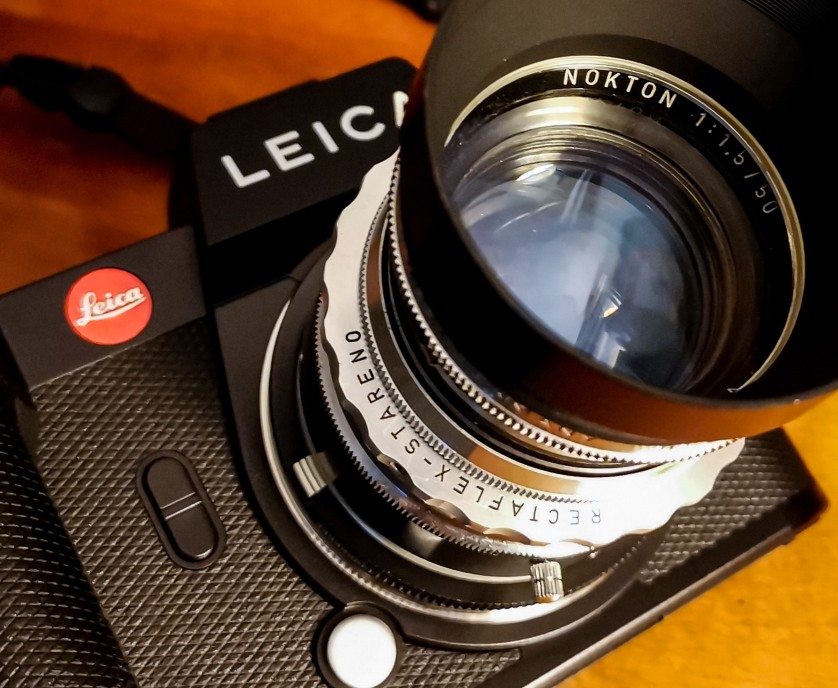
Lens Photo

製造年:1950年頃
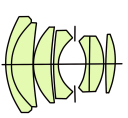
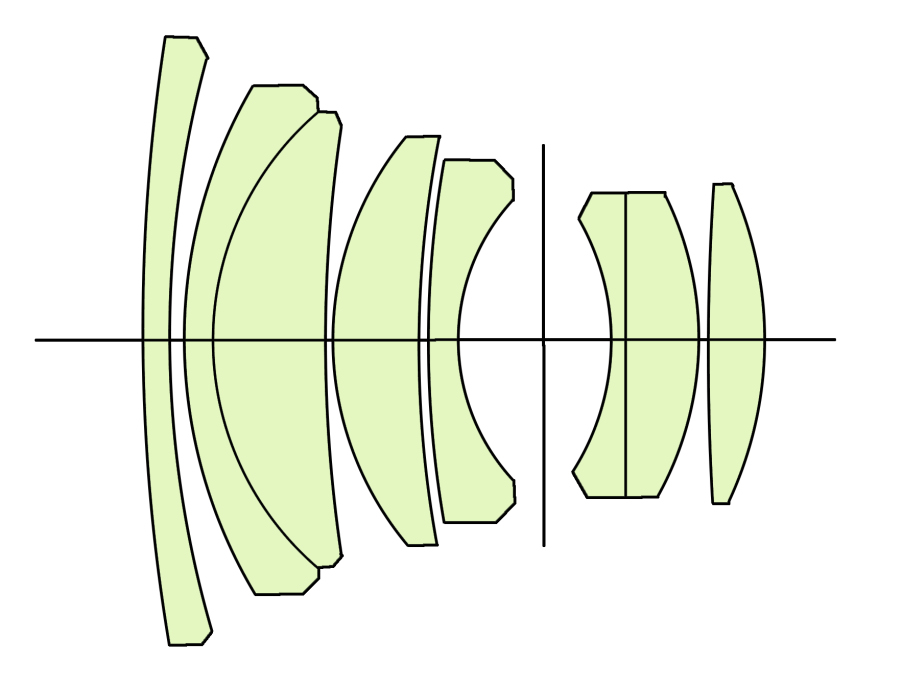
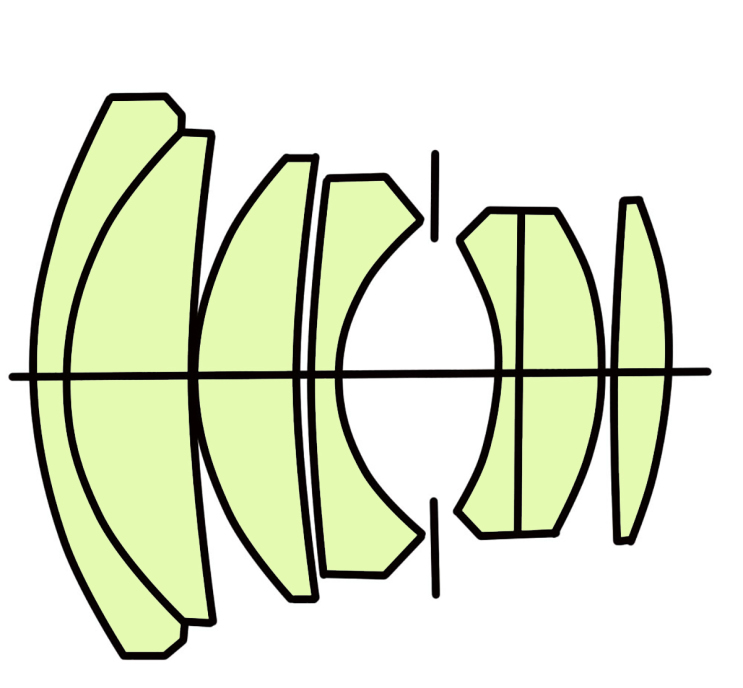
レンズ構成:6群8枚 
かなり変形ダブルガウス型一眼レフ
対応のため、オリジナルのノクトンの
最前列に薄いメニスカス凹レンズを
追加している。

Year of manufacture: Circa 1950
Lens construction: 6 elements in 8 groups
A thin meniscus concave lens was
added to the front row of the original
Nokton lens to accommodate a
significantly modified double
Gauss-type SLR
.

Lens Impression

シュナイダー社でXenonを開発した優れたレンズ設計者A.W.トロニエは、戦争の混乱のなかシュナイダーの関連会社で軍需光学企業のISCO社への移籍を余儀なくされ、自らの夢を果たしきれずにいましたが、終戦間近の1944年にフォクトレンダー社に新天地を求めて移籍しました。
そこでColor-Scopar, Color-Heliar, Ultronなどを設計した彼が、Xenon f1.5で果たせなかった理想の大口径レンズとして設計したのが「夜のレンズ=ノクトン」です。設計技術の進歩、コーティングの進化などを背景に、ダブルガウス型の第1群を貼り合わせとし、さらに第2群を分離して空気レンズを活用した設計となっています。空気レンズといえばズミクロン50mmが有名ですね。しかし、Noktonの出荷は1950年から始まっていますので、ズミクロンの1953年より先行しております。開発はほぼ同時進行と言ってよいでしょうが、歴史的には大きな差がついてしまいました。。

当時のレンズに求められた解像力を向上させるためにきつめの収差補正を行い、ボケは固い傾向がありますが、とてもしっかりとした描写をするレンズに仕上がっています。しかし営業的には先行したズミクロンがセンセーショナルなライカM3と組み合わされて大きな話題を独占してしまったため、その陰に隠れてしまう結果となりました。ノクトンに最初に用意されたボディであるプロミネントは非常に美しいカメラであるが、ファインダーの性能や使い勝手を含めてライカM3の敵ではなかったと思われます。

ノクトンが他社に供給されたのはライカ用が良く知られていますが、もう一つがこのレクタフレックス用のレンズです。

レクタフレックスは一眼レフカメラであり、プロミネントやライカとはフランジバックが大きく異なります。そのため、レンズ設計に改良が加えられ、上記構成図でわかるように第1群の前に薄いメニスカス凹レンズが追加されました。(patent:US2662447A)
一部の資料にはこの追加レンズが凸レンズで表示されているものもありますが、論理的には凹レンズが正しいと思います。下段は追加凹レンズのないプロミネント・ライカ用のノクトンの構成図です。


プロミネント・ライカ用
ノクトン構成図

A.W. Tronnier, the brilliant lens designer who developed the Xenon at Schneider, was forced to move to ISCO, a Schneider subsidiary and military optics company, during the chaos of war, unable to fully realize his dream.
However, in 1944, near the end of the war, he moved to Voigtlander in search of a new opportunity.
There, he designed lenses such as the Color-Scopar, Color-Heliar, and Ultron, and then, as his ideal large-aperture lens that he couldn't achieve with the Xenon f/1.5, he designed the "night lens"?the Nokton. Backed by advancements in design technology and coatings, it features a double Gauss-type first group cemented together, and a separate second group utilizing an air lens. The Summicron 50mm is famous for its air lens. However, Nokton shipments began in 1950, preceding the Summicron's 1953 release. While development was almost simultaneous, historically, there's a significant difference in their release dates.

To improve the resolution demanded of lenses at the time, the lens underwent strict aberration correction, resulting in a somewhat harsh bokeh, but producing very sharp images. However, commercially, the earlier Summicron, paired with the sensational Leica M3, dominated headlines, overshadowing the Nokton. The Prominent, the first body for the Nokton, is a very beautiful camera, but its viewfinder performance and usability were no match for the Leica M3.
While the Leica version of the Nokton is well-known, another version was supplied to other companies for the Rectaflex.
The Rectaflex is an SLR camera, and its flange back distance is significantly different from that of the Prominent and Leica. Therefore, improvements were made to the lens design, and as can be seen in the diagram above, a thin meniscus concave lens was added in front of the first element. (patent: US2662447A) Some documents show this additional lens as a convex lens, but logically, a concave lens is correct.


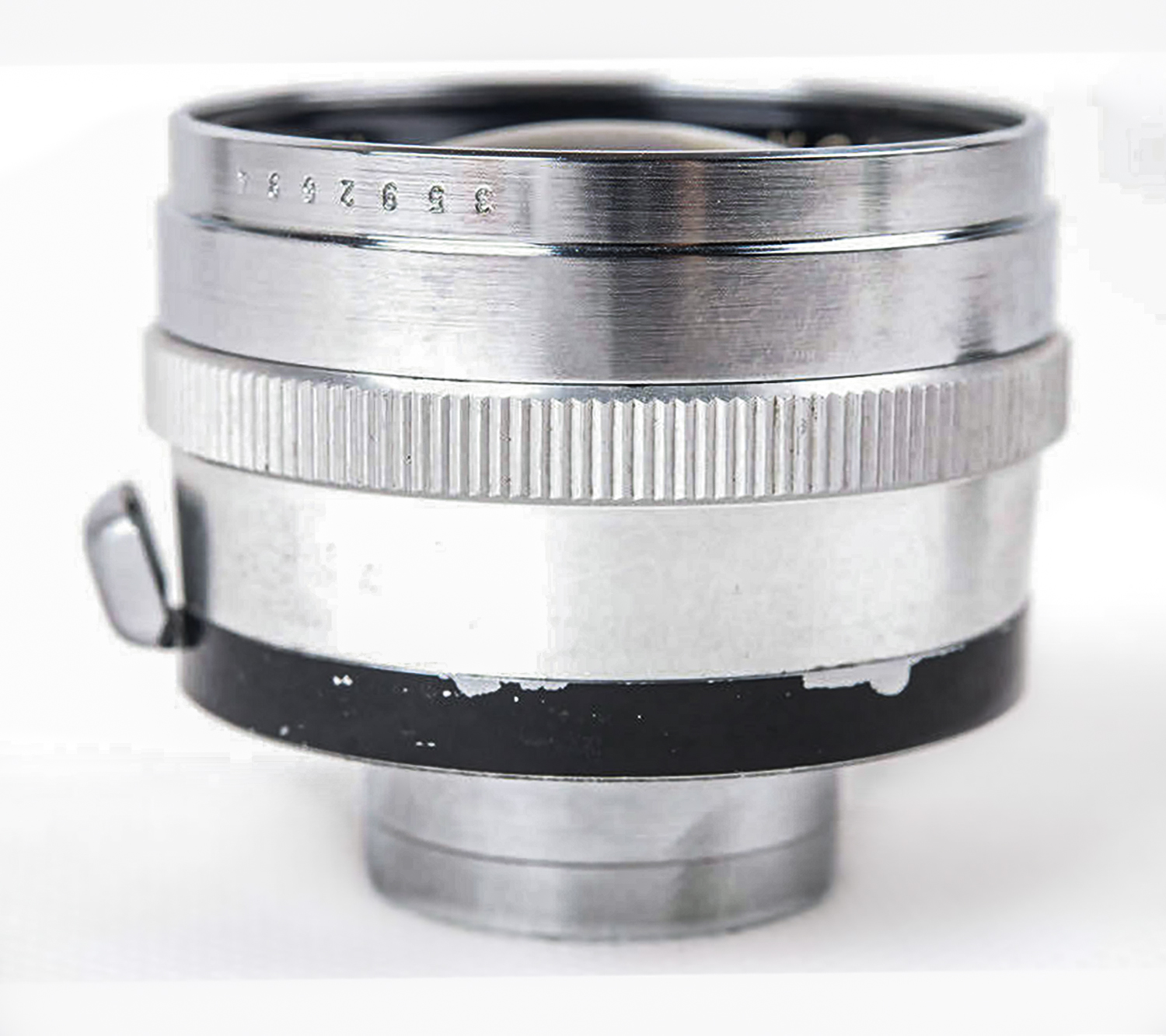
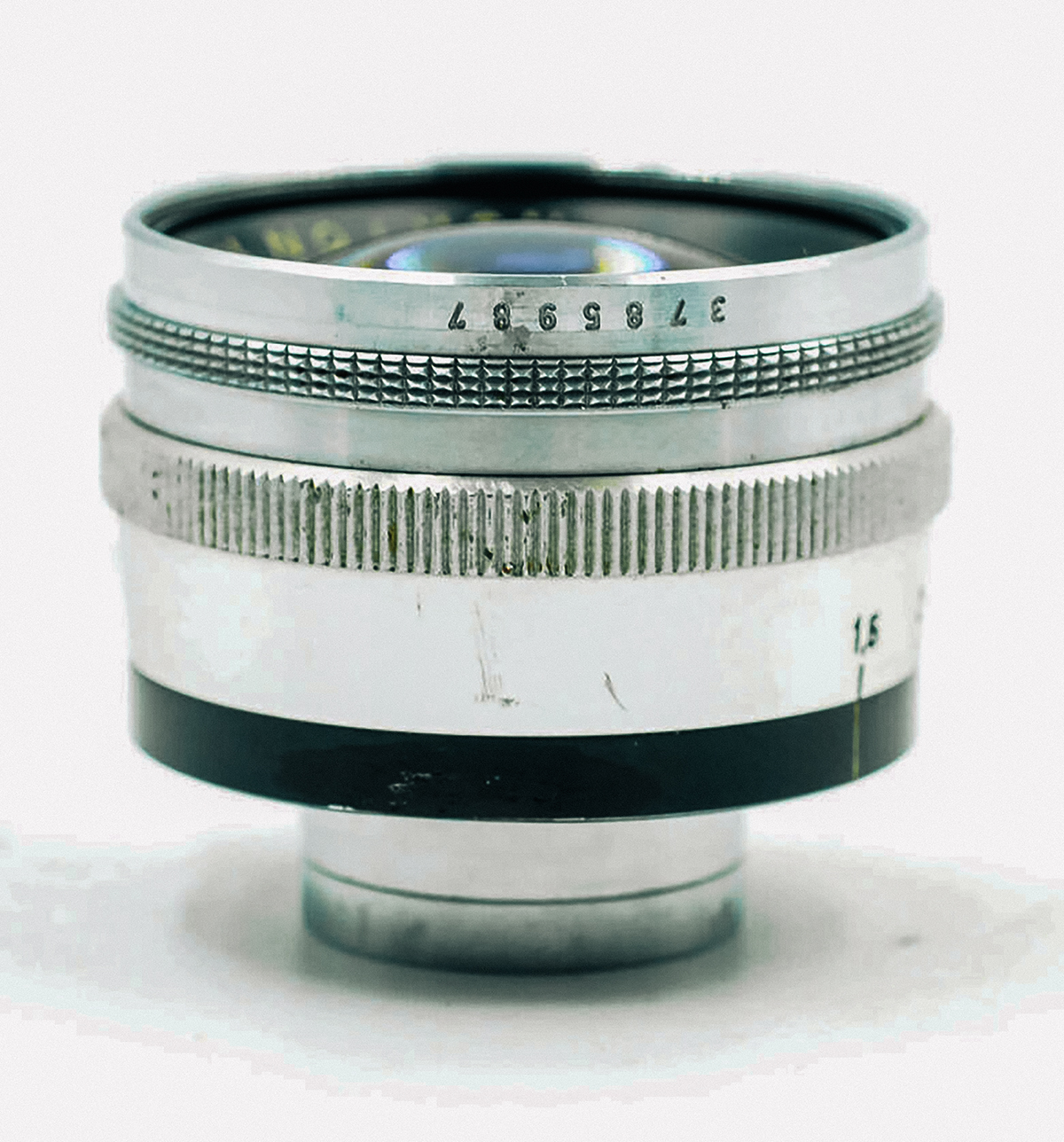
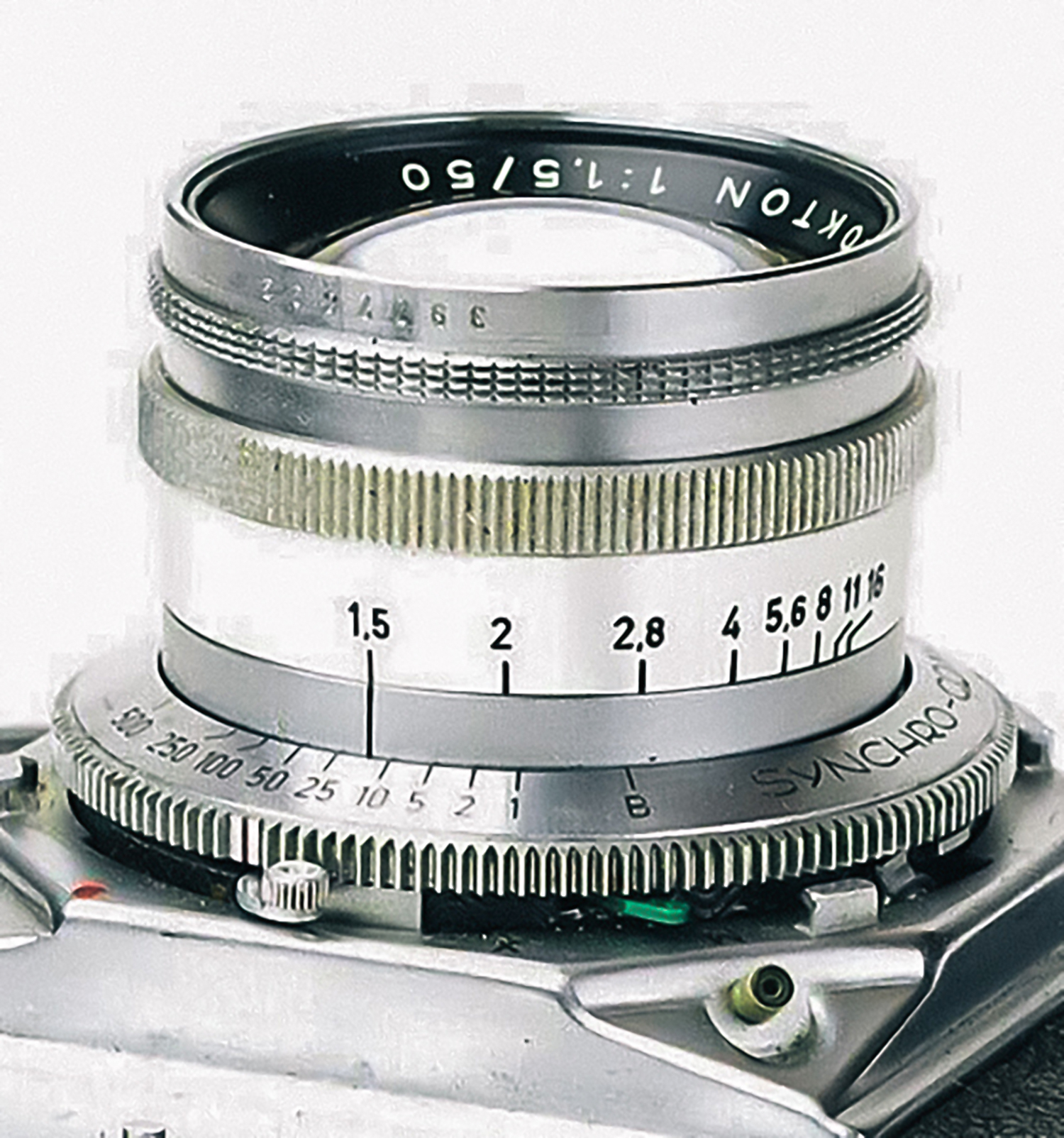
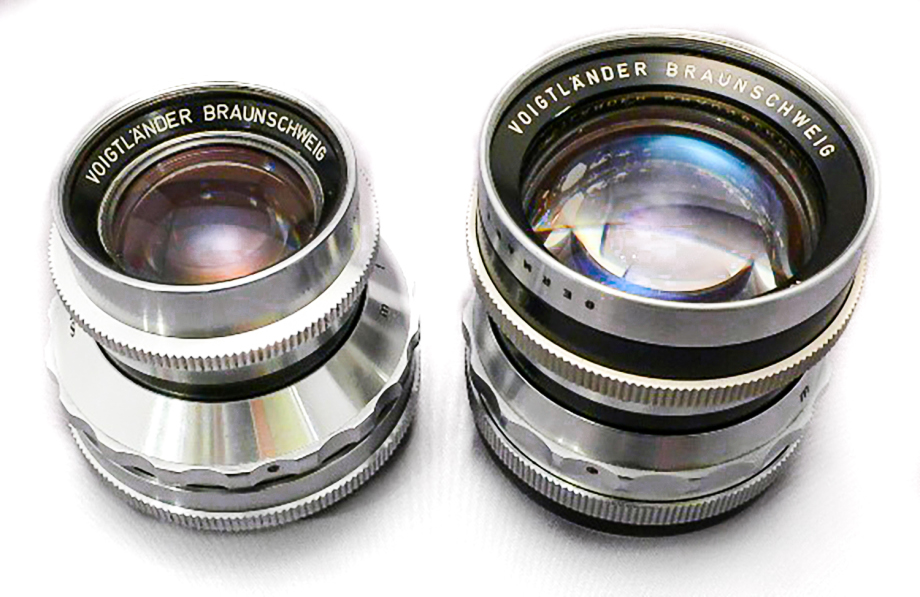
オリジナル(コシナ以前)のノクトンには主に10以上のバリエーションが存在します。以下に簡単にまとめておきます。
(Contax用の画像は写楽彩http://www.syarakuse.sakura.ne.jp/さんから頂きました)。
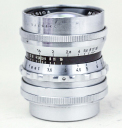
The original (pre-Cosina) Nocton has more than 10 variations. A brief summary is provided below. (Images for Contax were provided by Sharakusai http://www.syarakuse.sakura.ne.jp/).


L@ライカ用黒リム(主に320万番台)

LAライカ用白リム(主に320万番台)

P@プロミネント用最初期縦2重リング(番号不明)

PAプロミネント用1重リング白リム(ブルーコート)(主に320万番台)

PBプロミネント用1重リング黒リム(主に330-360万番台)
PCプロミネント用上部メッシュリング+基部黒(主に370-390万番台)

PDプロミネント用上部メッシュリング+基部白(主に390-460万番台)

R@レクタフレックス用(主に310万番台)
C@コンタックス用白リム(327万番台)
CAコンタックス用黒リム(番号不明)

特@ライカ用BRAUNSCHWEIG刻印入りUltron ,Nokton(320万番台)


 Photos with Nokton 50mm f1.5 for Rectaflex
 
2020
Ura-Senju
(裏千住)

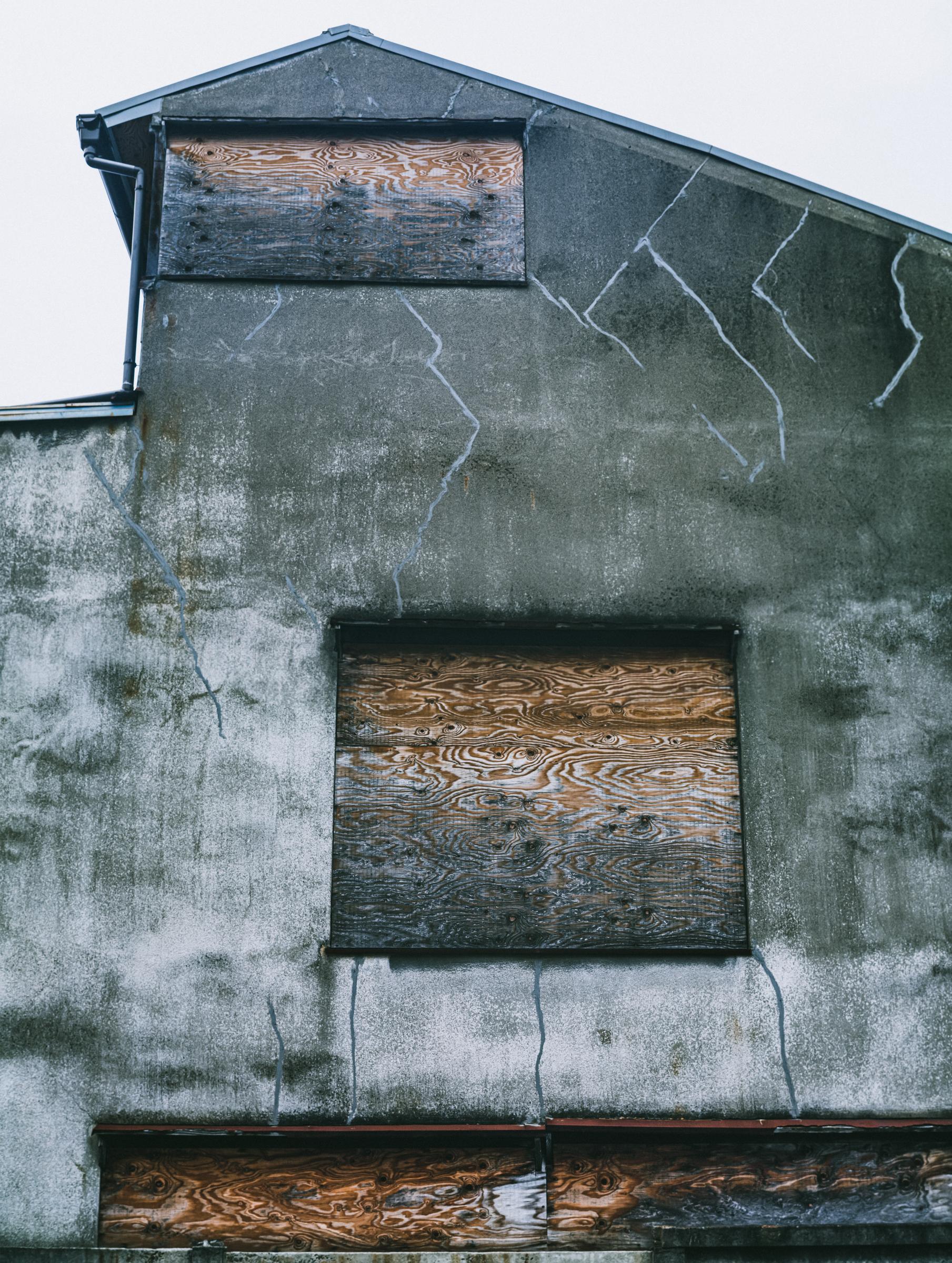
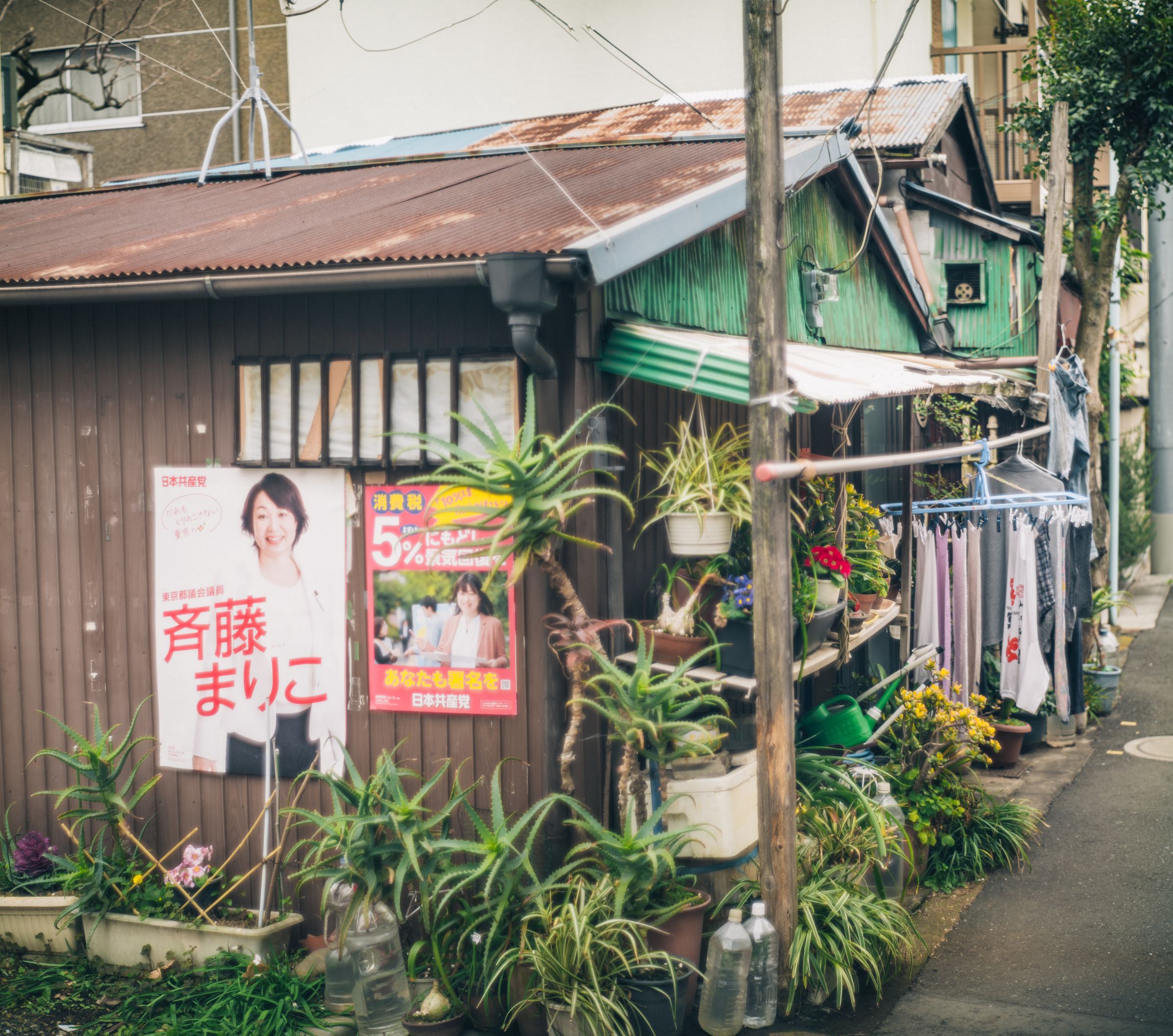
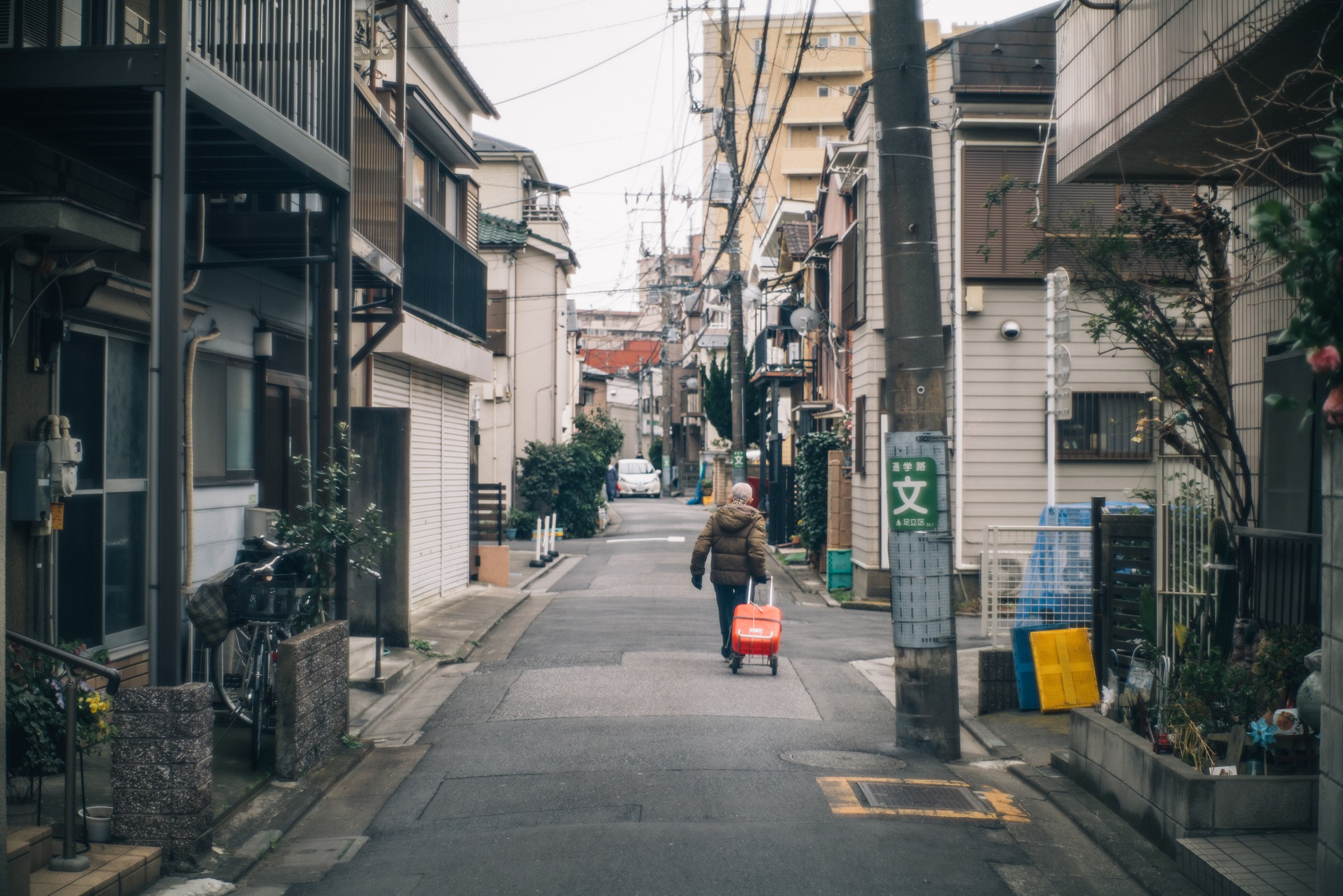
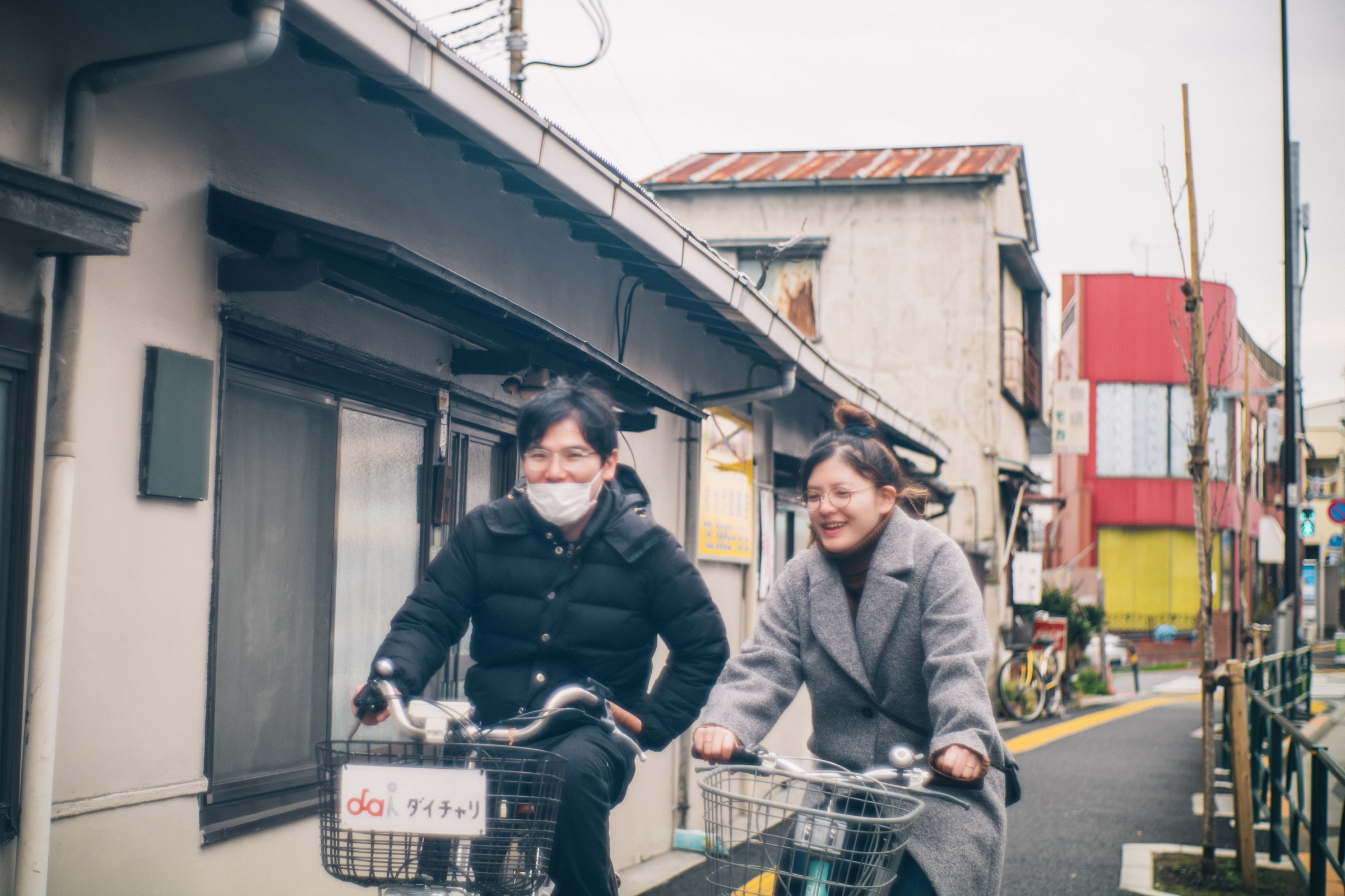
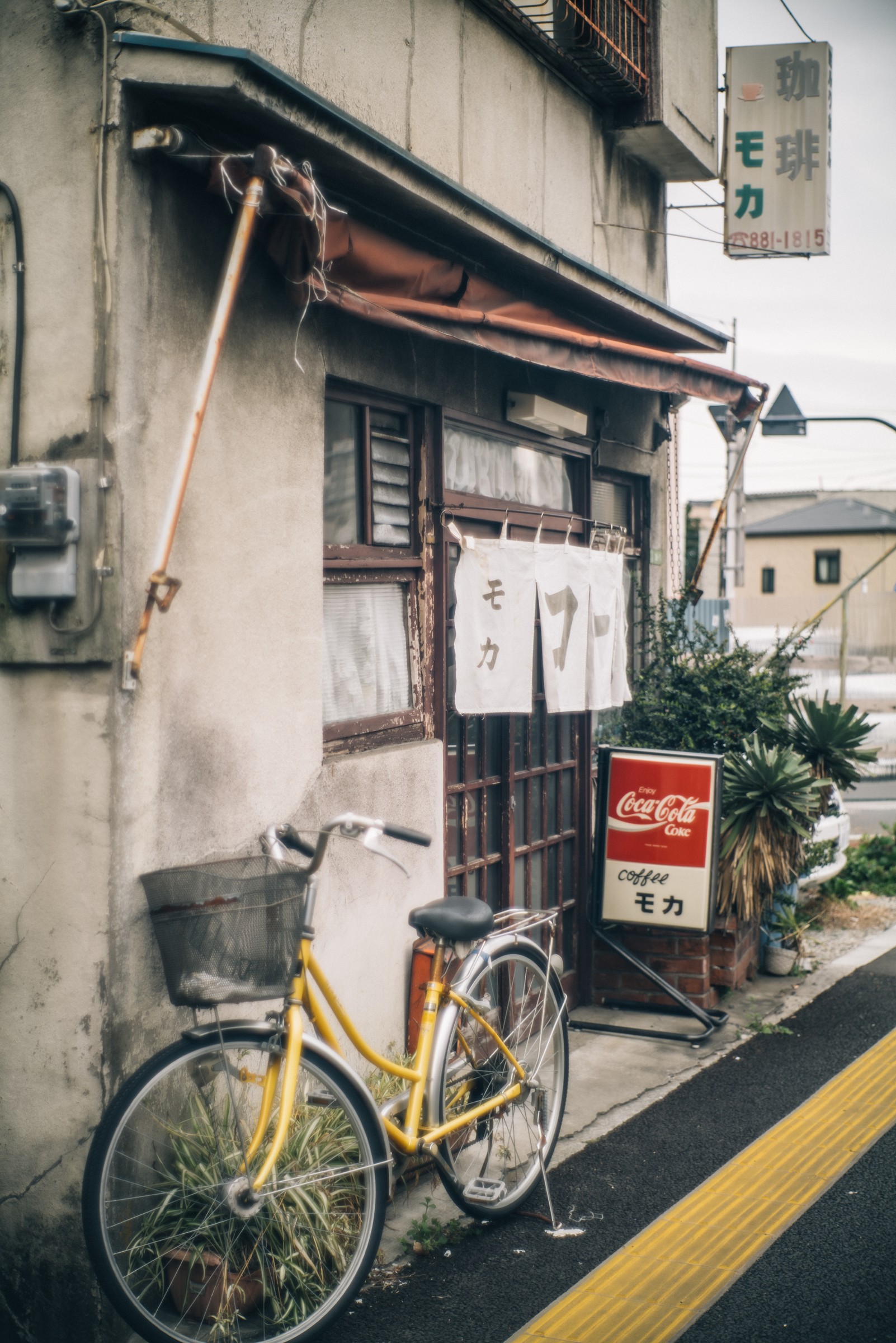
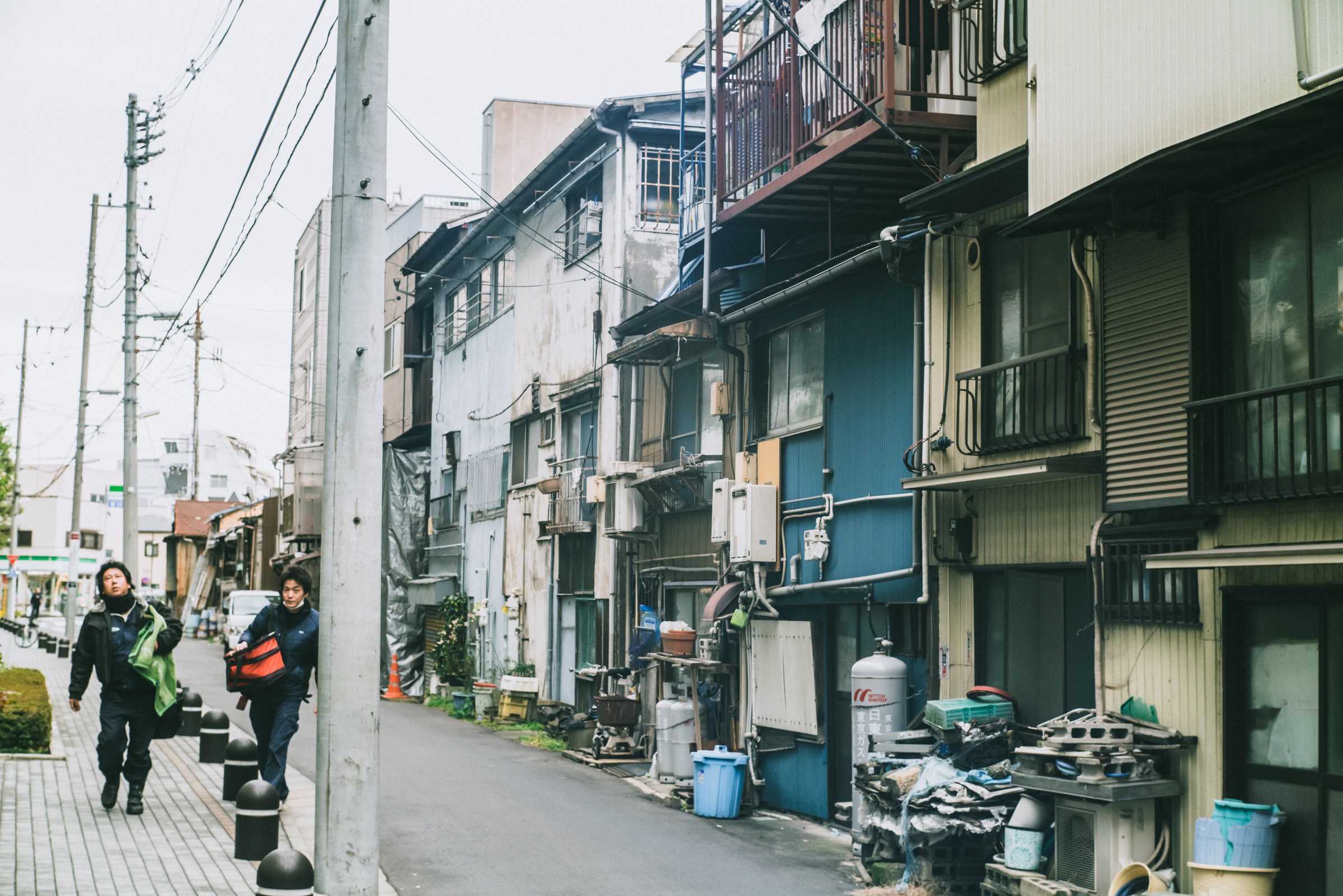
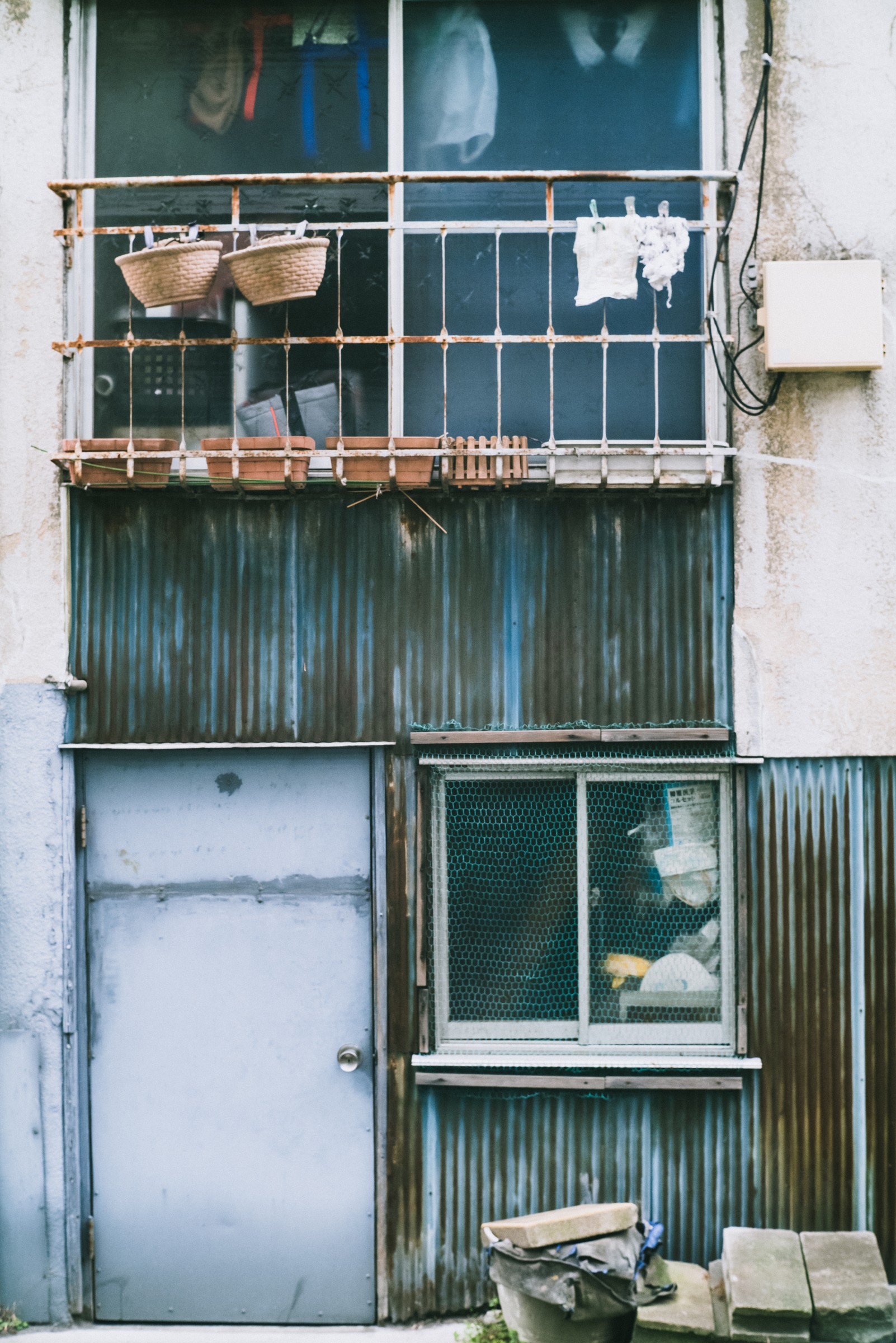
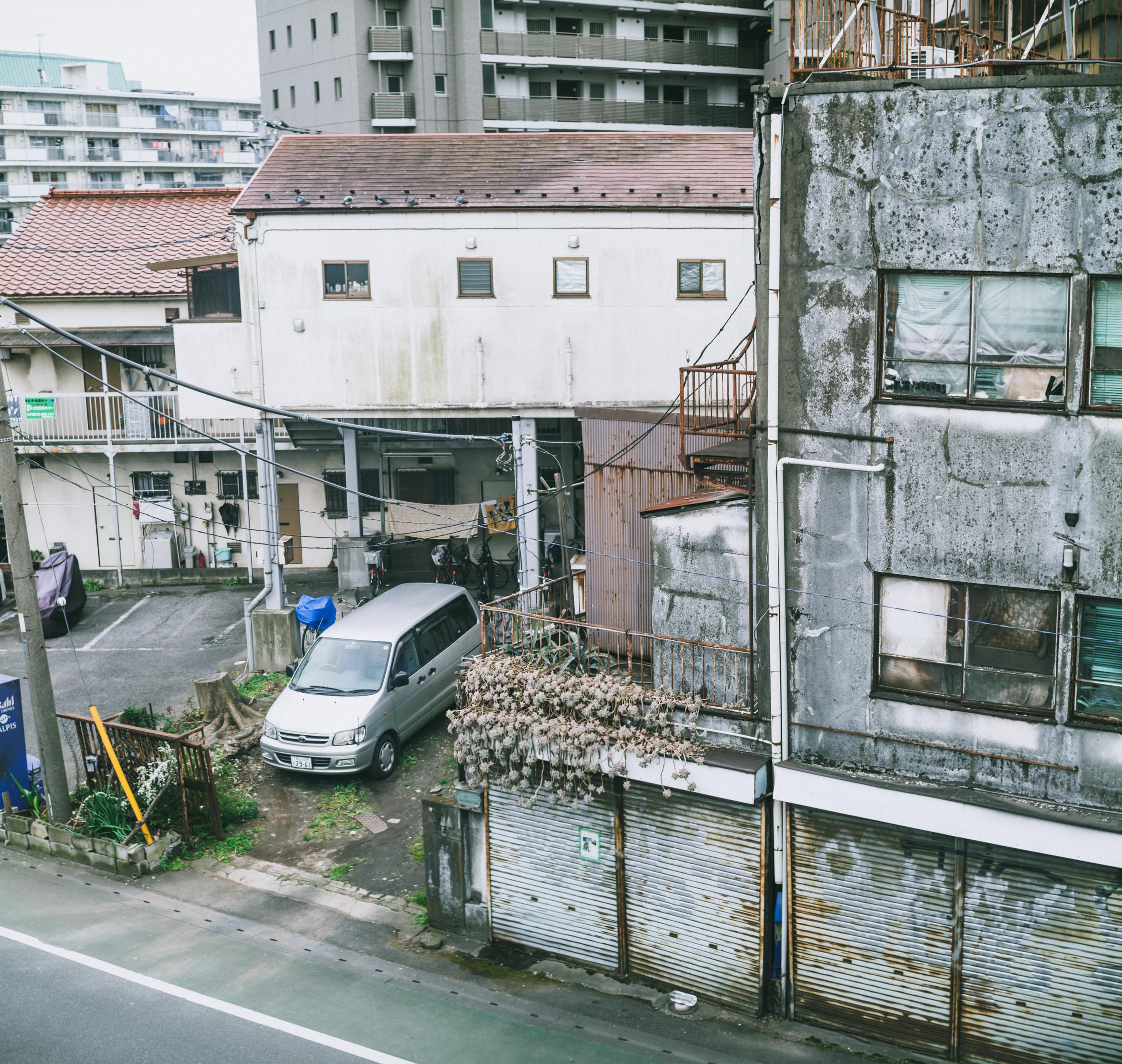
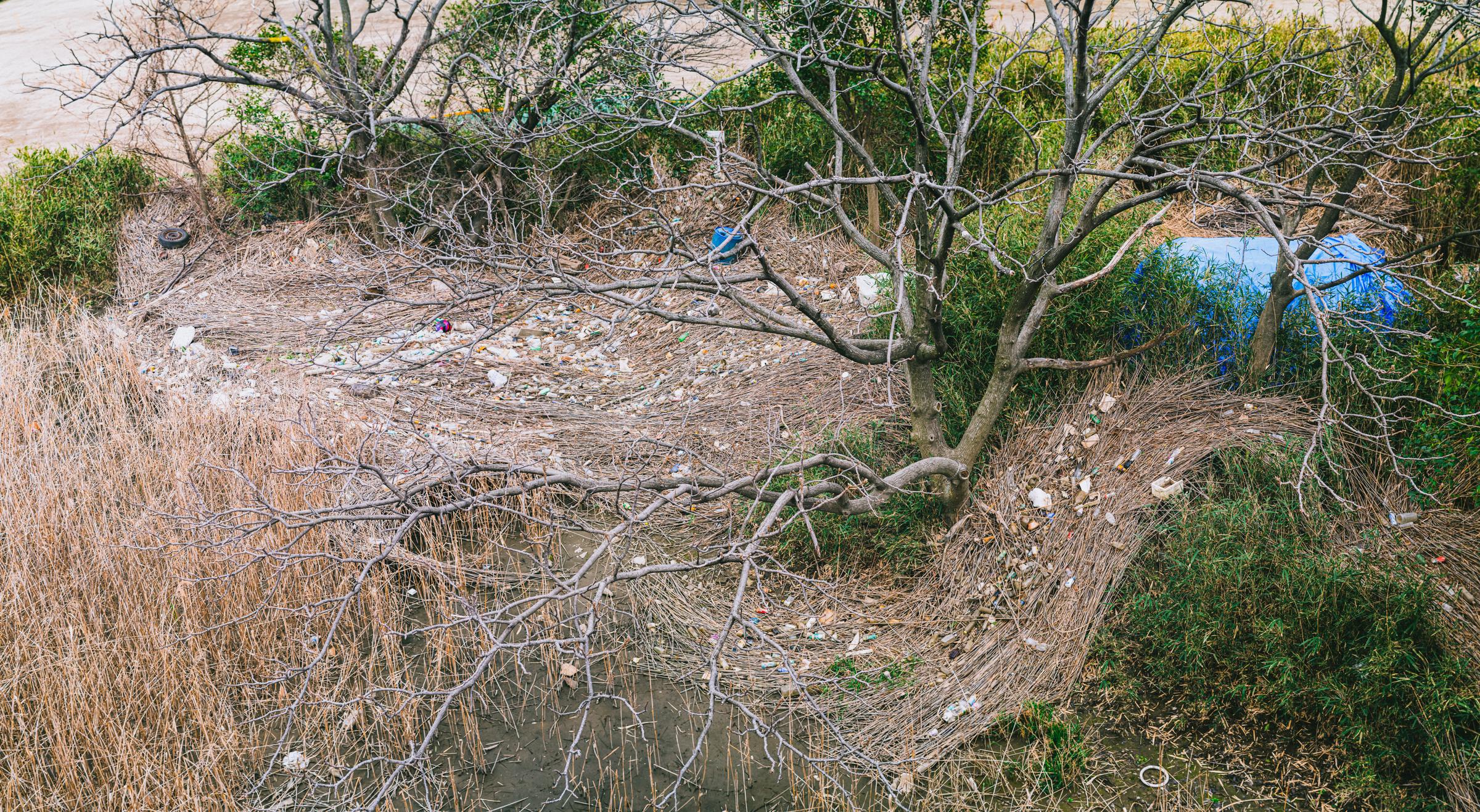
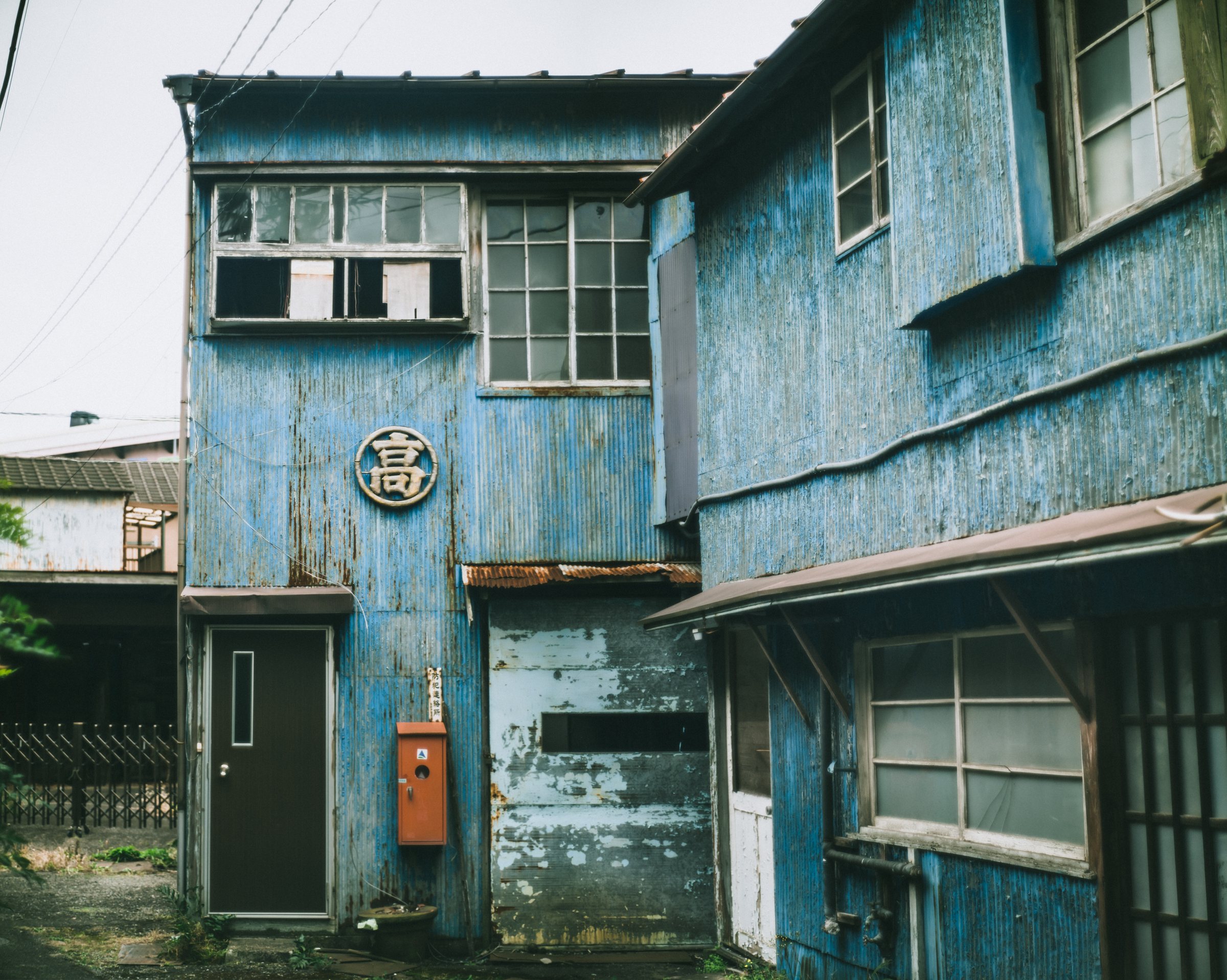
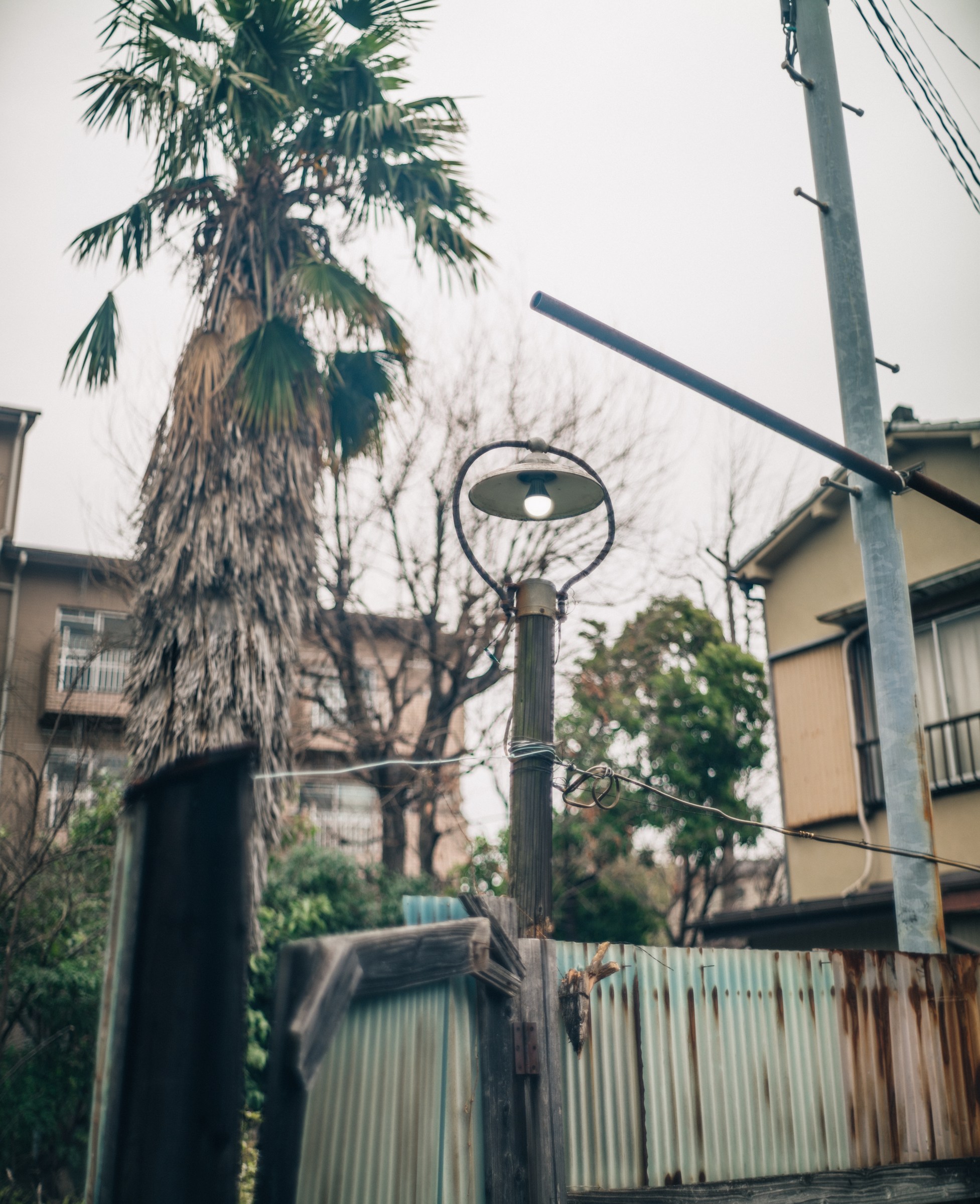
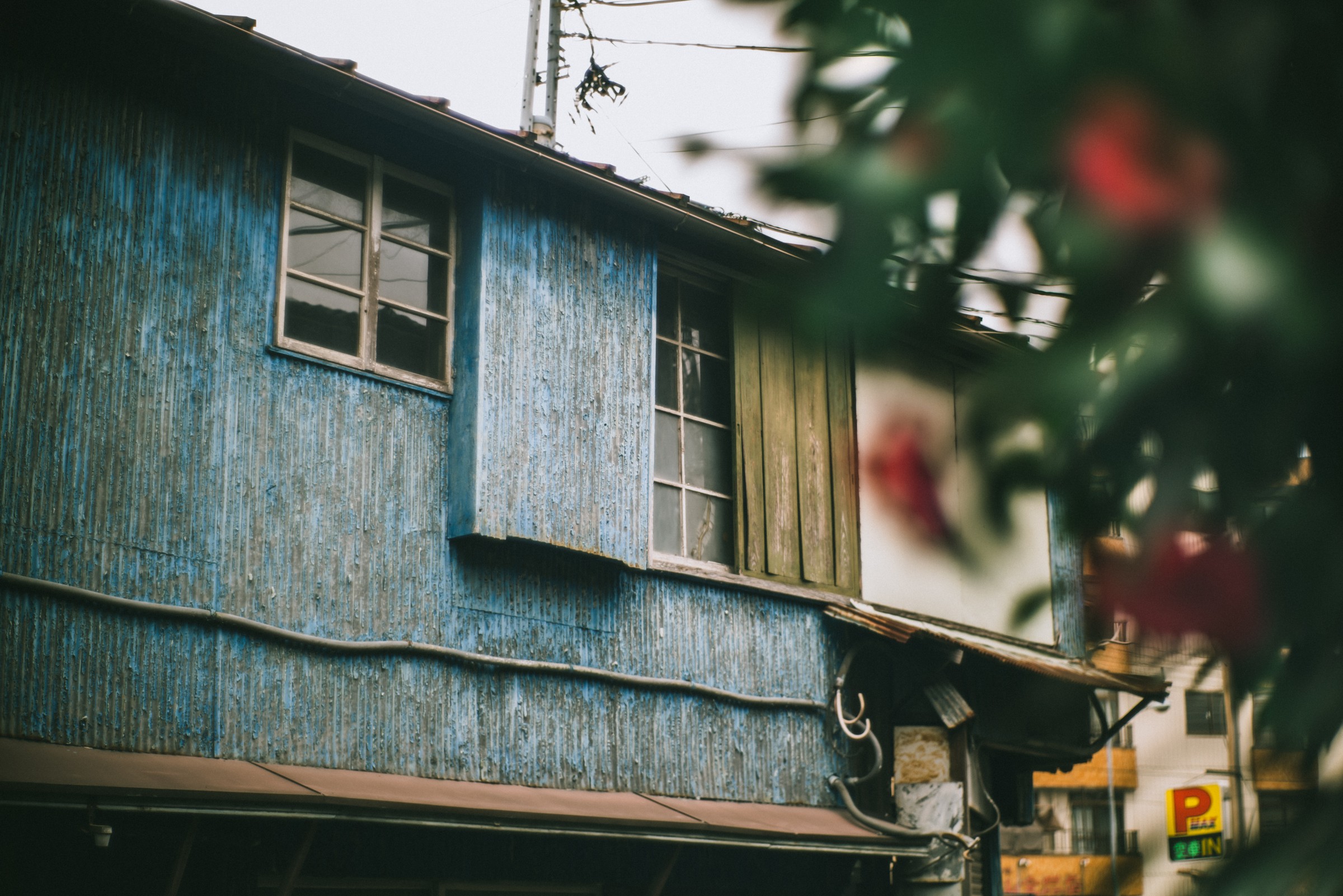
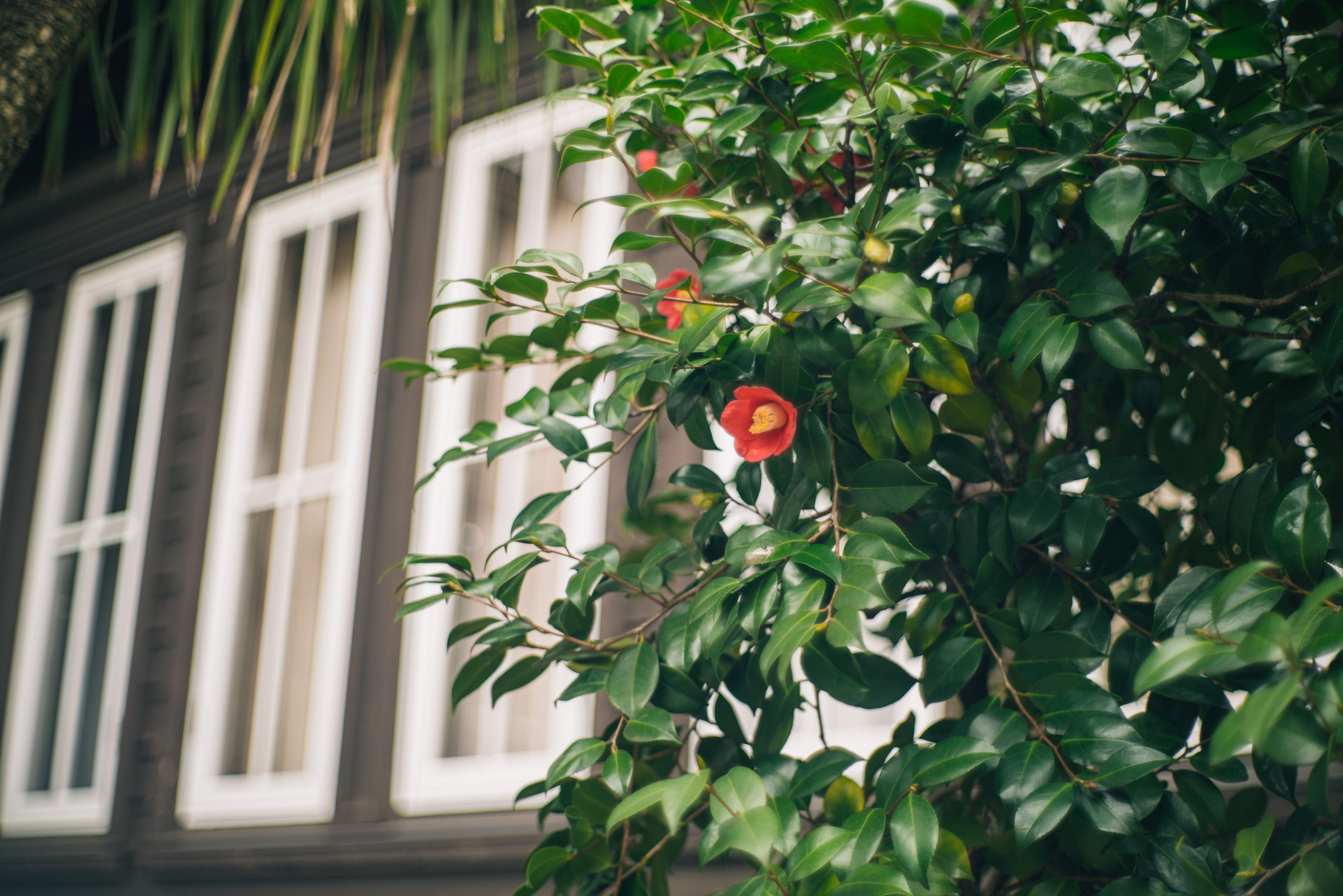
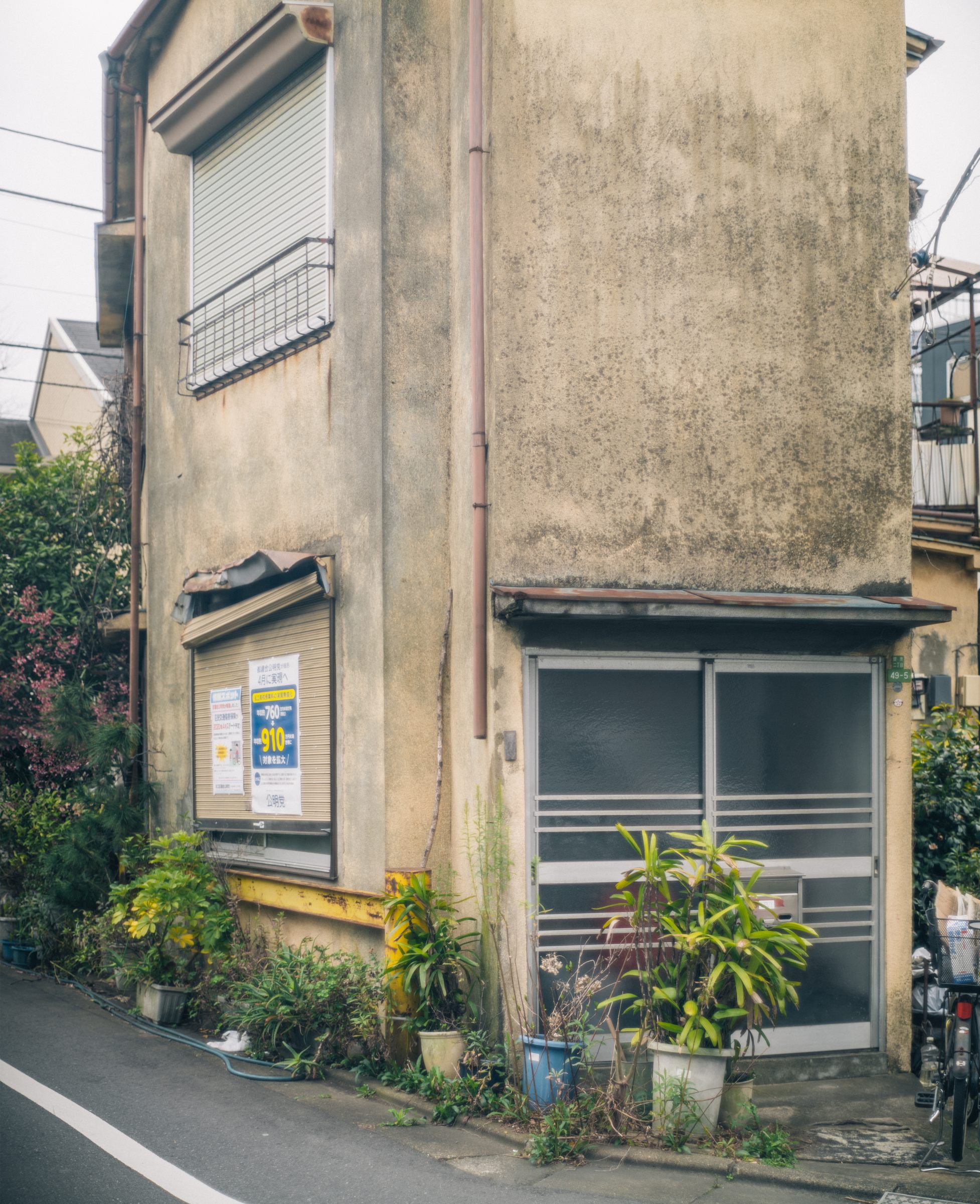
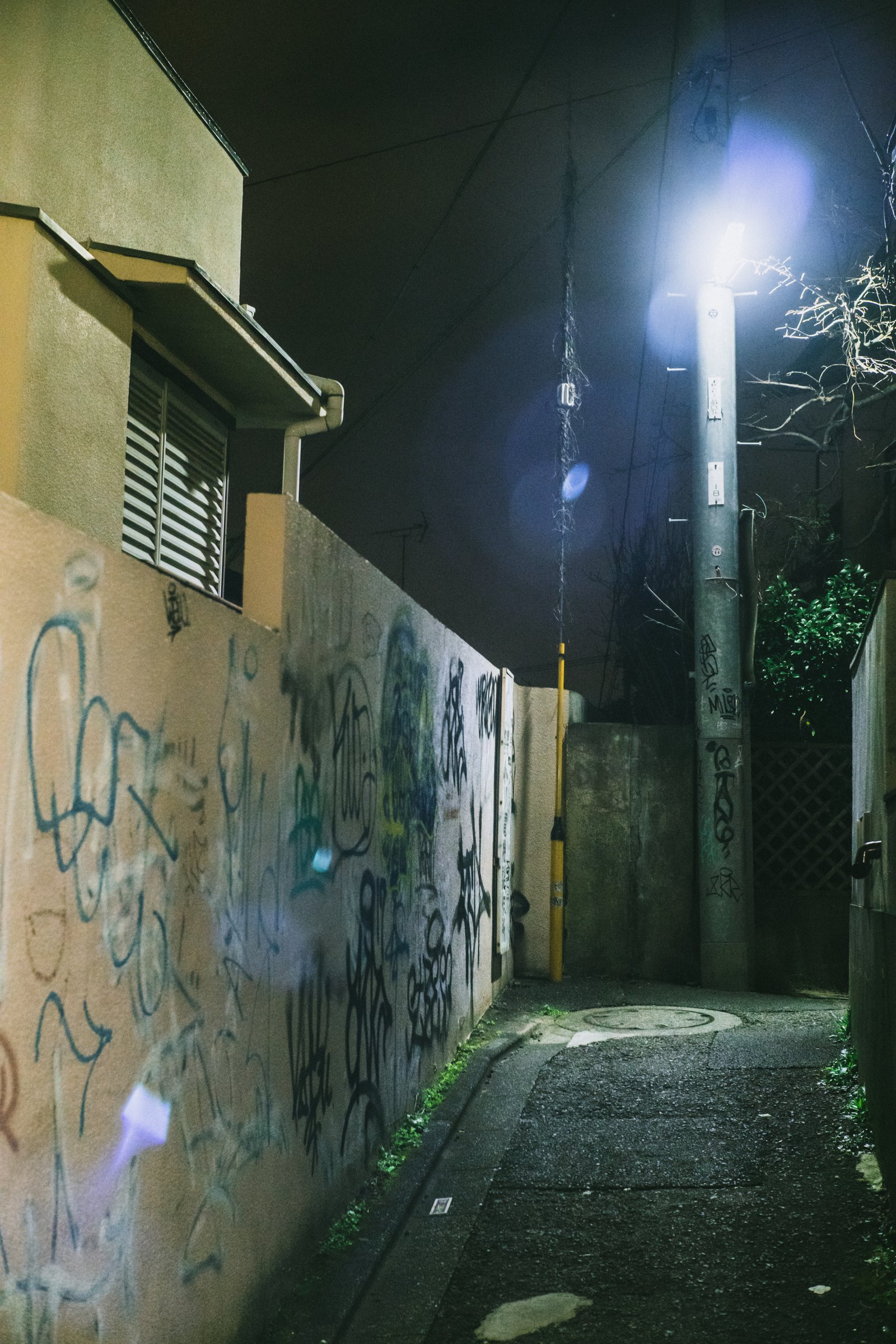
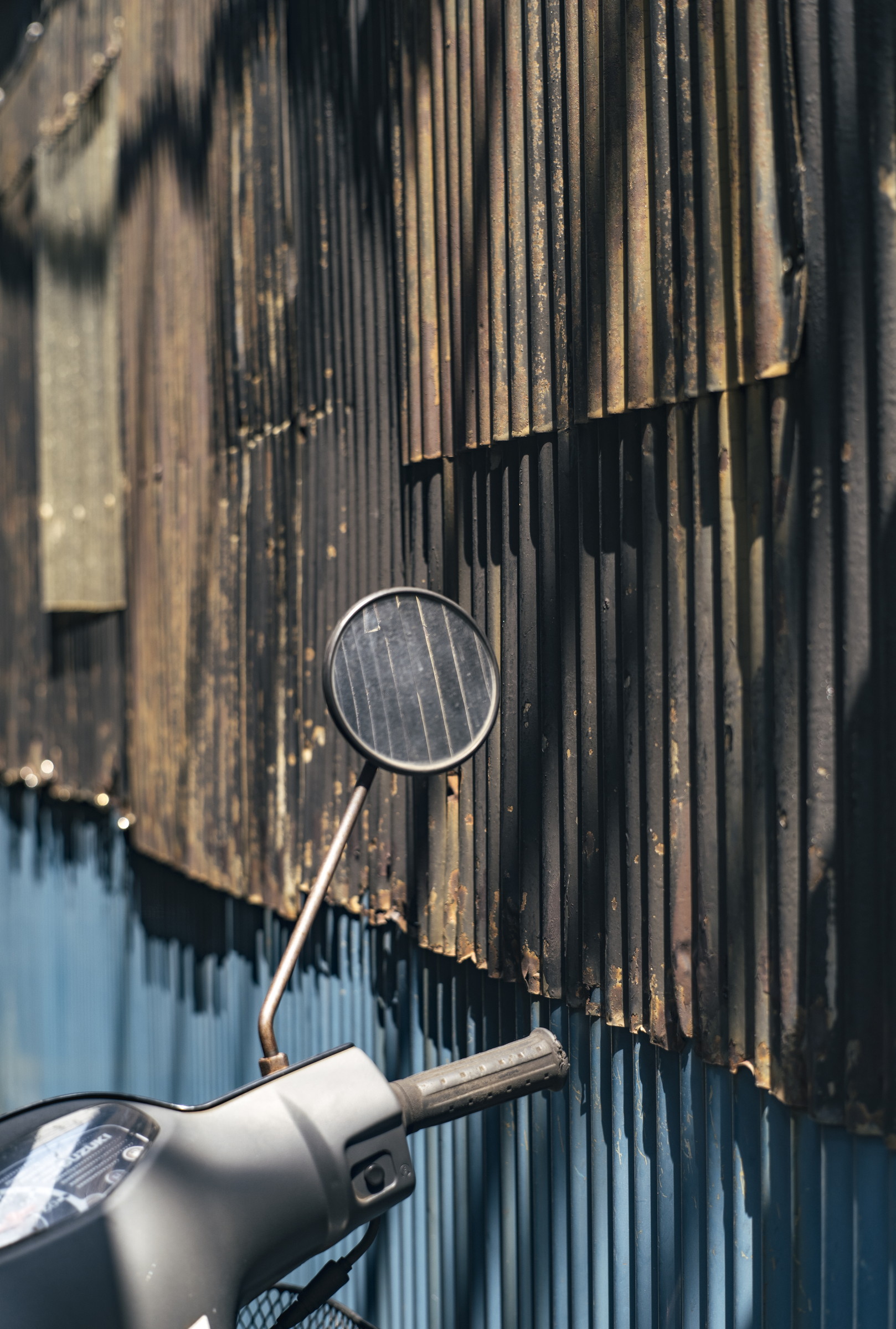
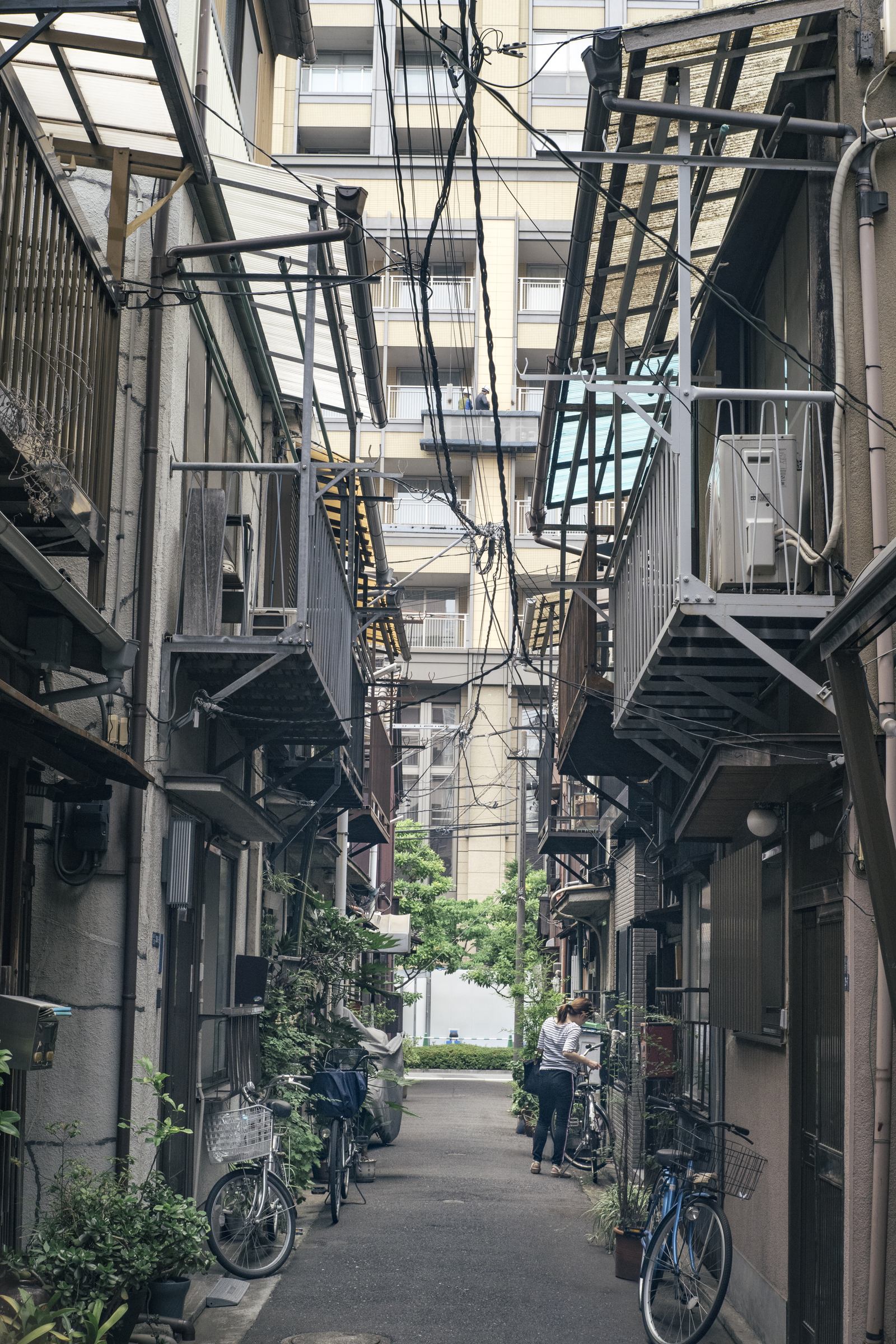
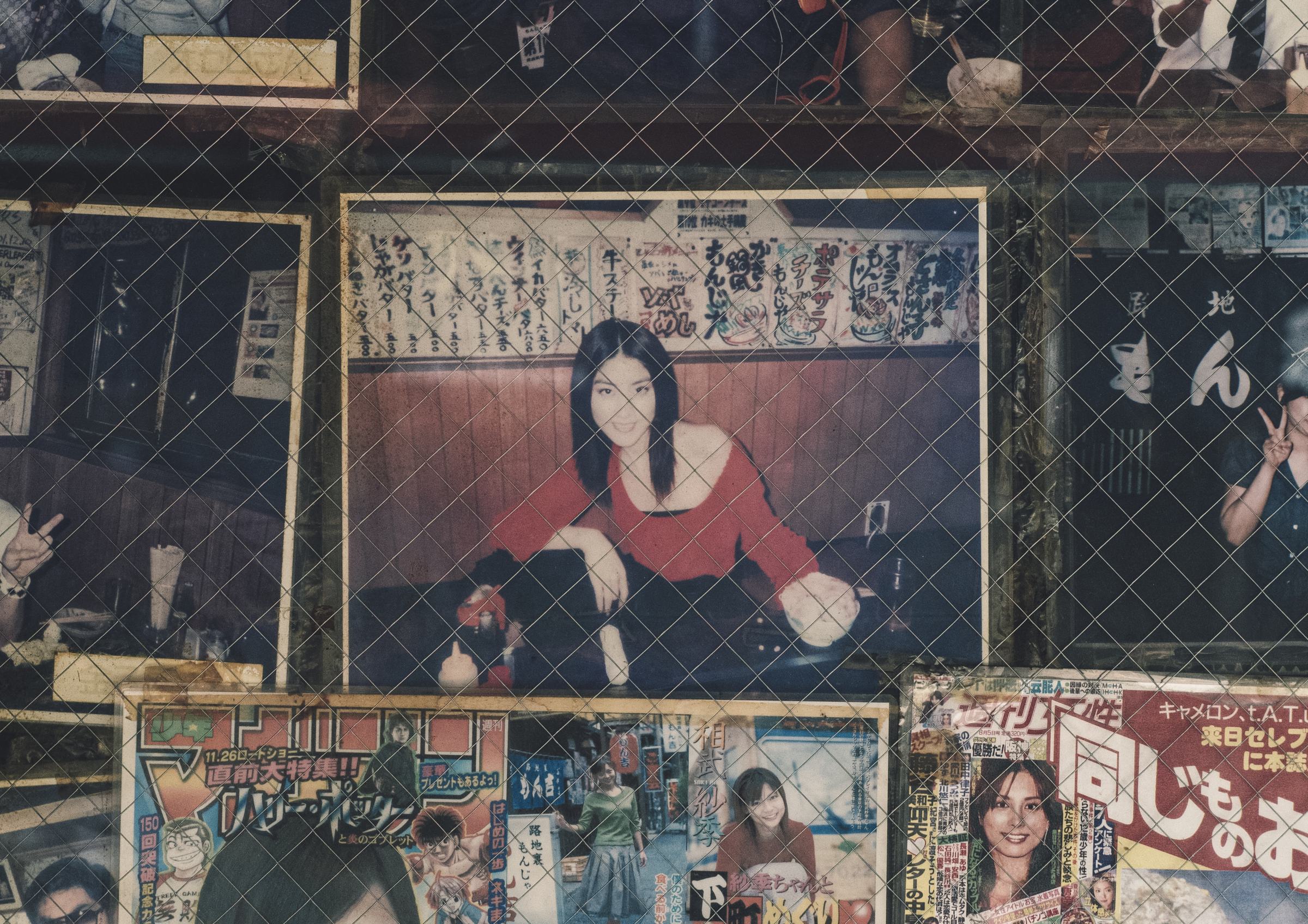
ちょっと自転車を飛ばして、なかなか電車ではアプローチしにくい千住の西側を歩いてみました。予想を裏切らない昭和の風景が辛うじて残されています。しかし空き地も目立ち、この情景もそれほど長くないということを実感しました。

有名なタカラ湯は、時間の制約で入ることはできませんでしたが、そのうち再度挑戦してみたいと思います。

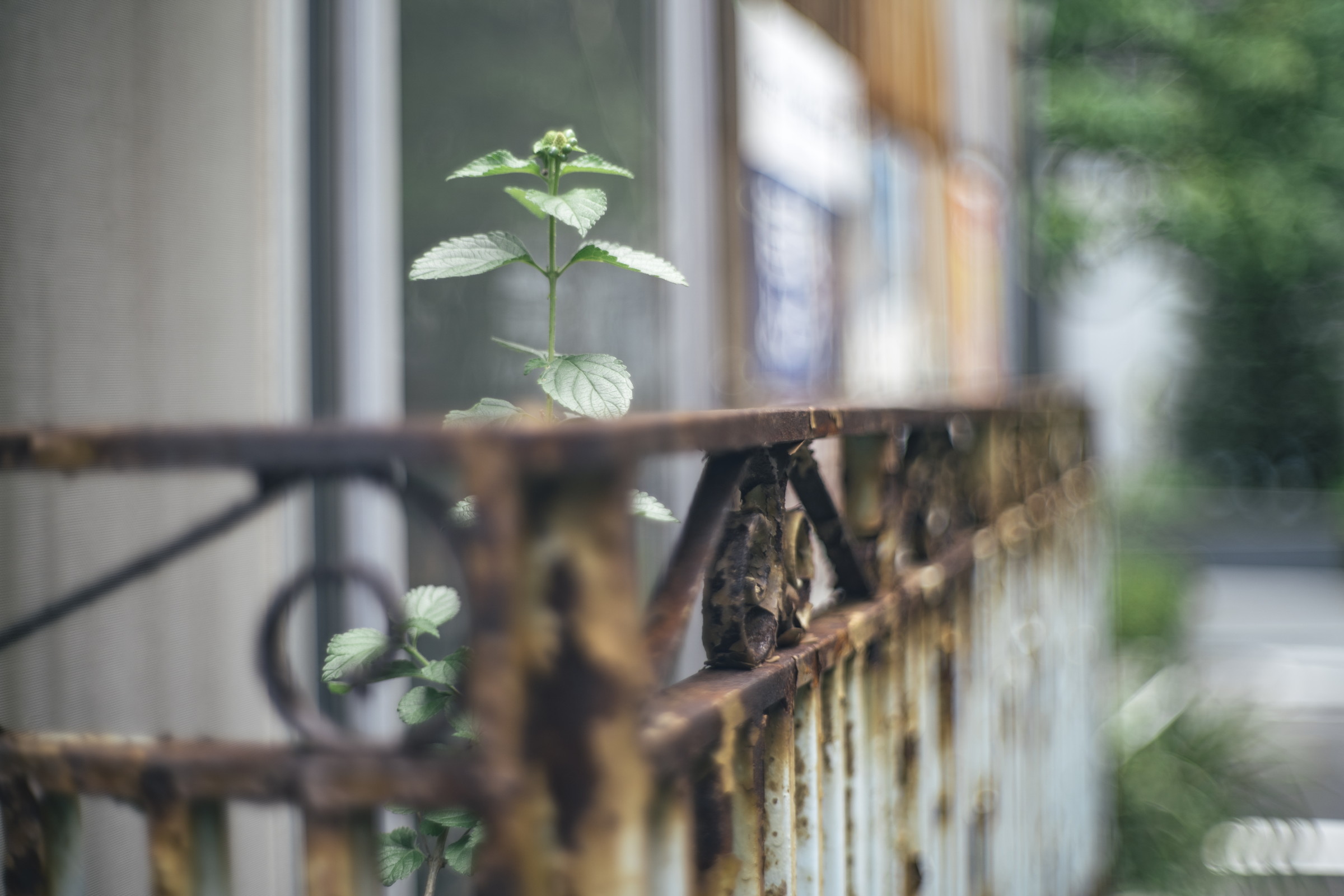
レンズにも慣れたせいか、それともカメラがα7IIIからライカSL2に変わったせいか、今回の撮影がもっともノクトンで撮影しているということを実感させてくれるものになりました。

I took a short bike ride and walked around the western side of Senju, an area not easily accessible by train. As expected, remnants of the Showa era landscape are still barely preserved. However, the abundance of vacant lots made me realize that this scene won't last much longer.
I couldn't visit the famous Takara-yu bathhouse due to time constraints, but I'd like to try again sometime.
Perhaps because I've become more accustomed to the lens, or perhaps because I switched cameras from an α7III to a Leica SL2, this shoot made me feel more strongly that I was truly using the Nokton lens.
2020
Nakameguro
(中目黒)

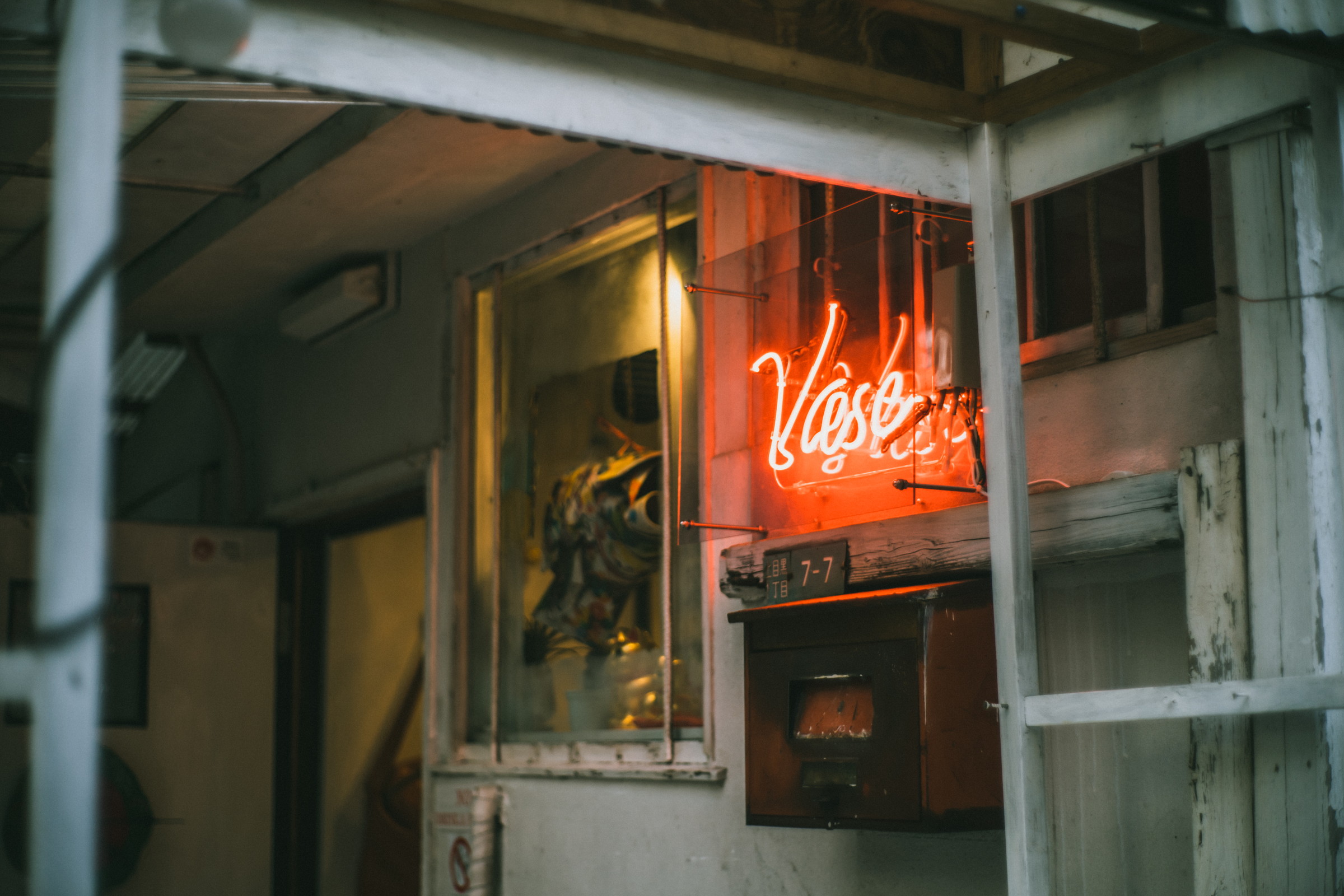
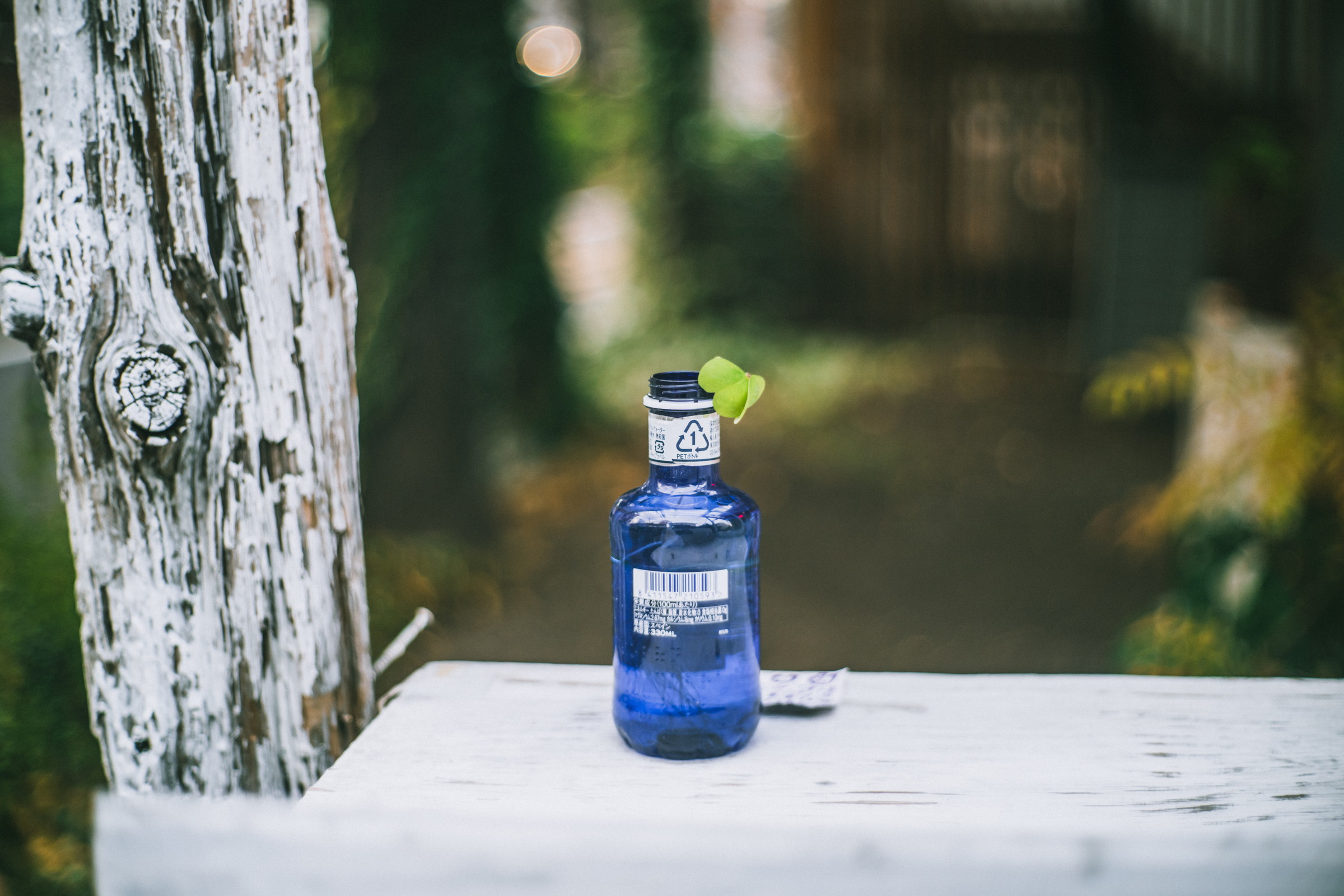
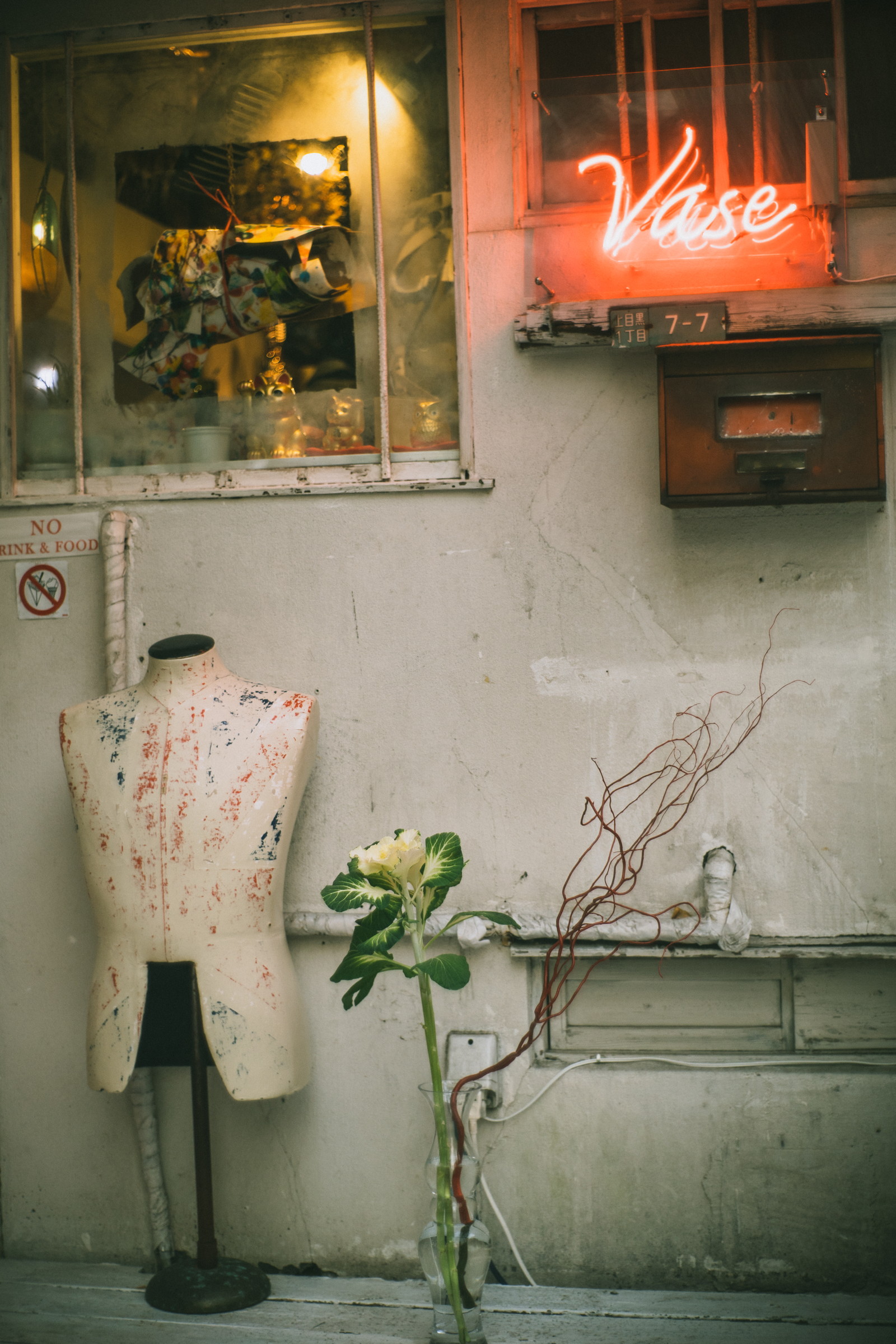
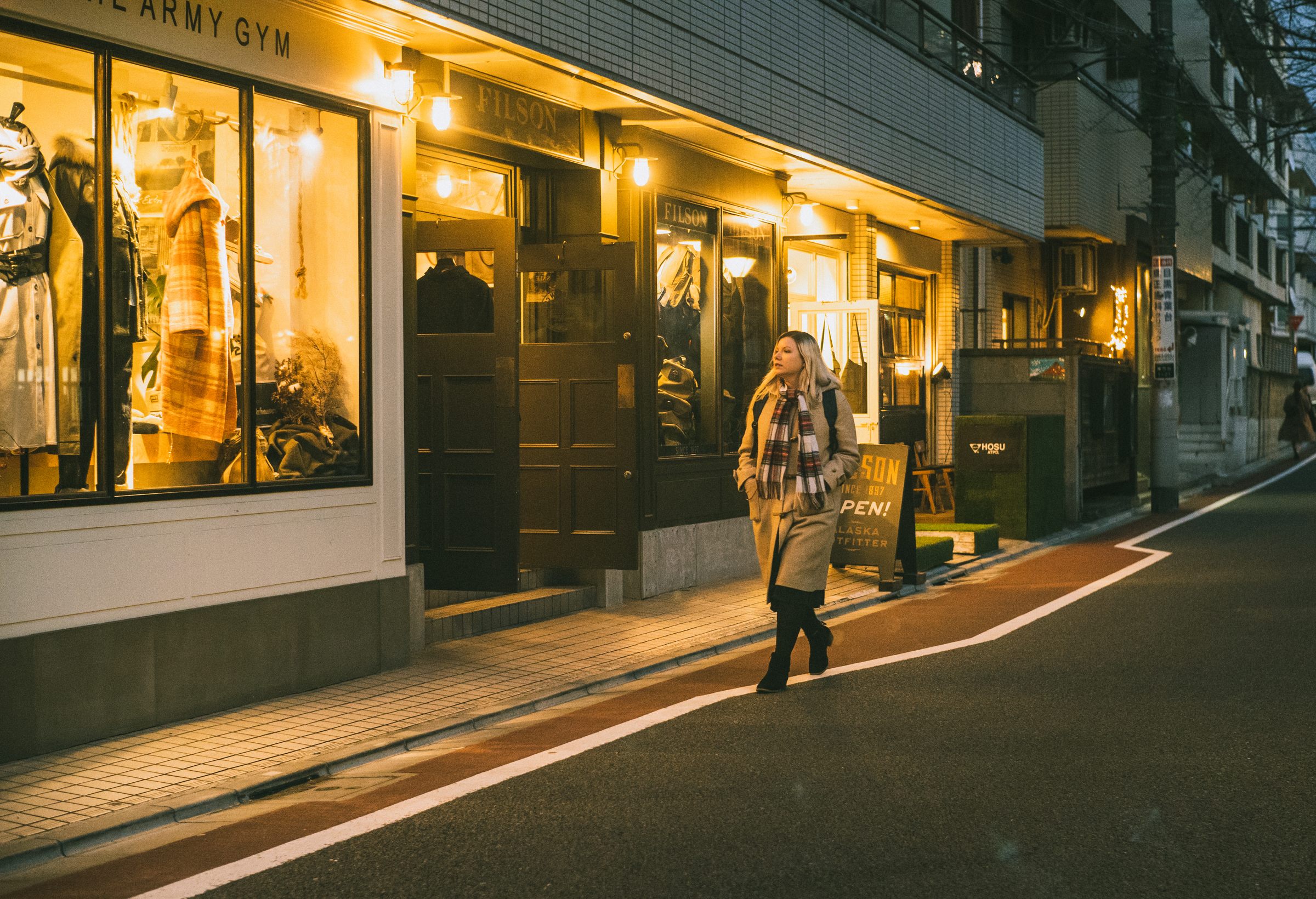
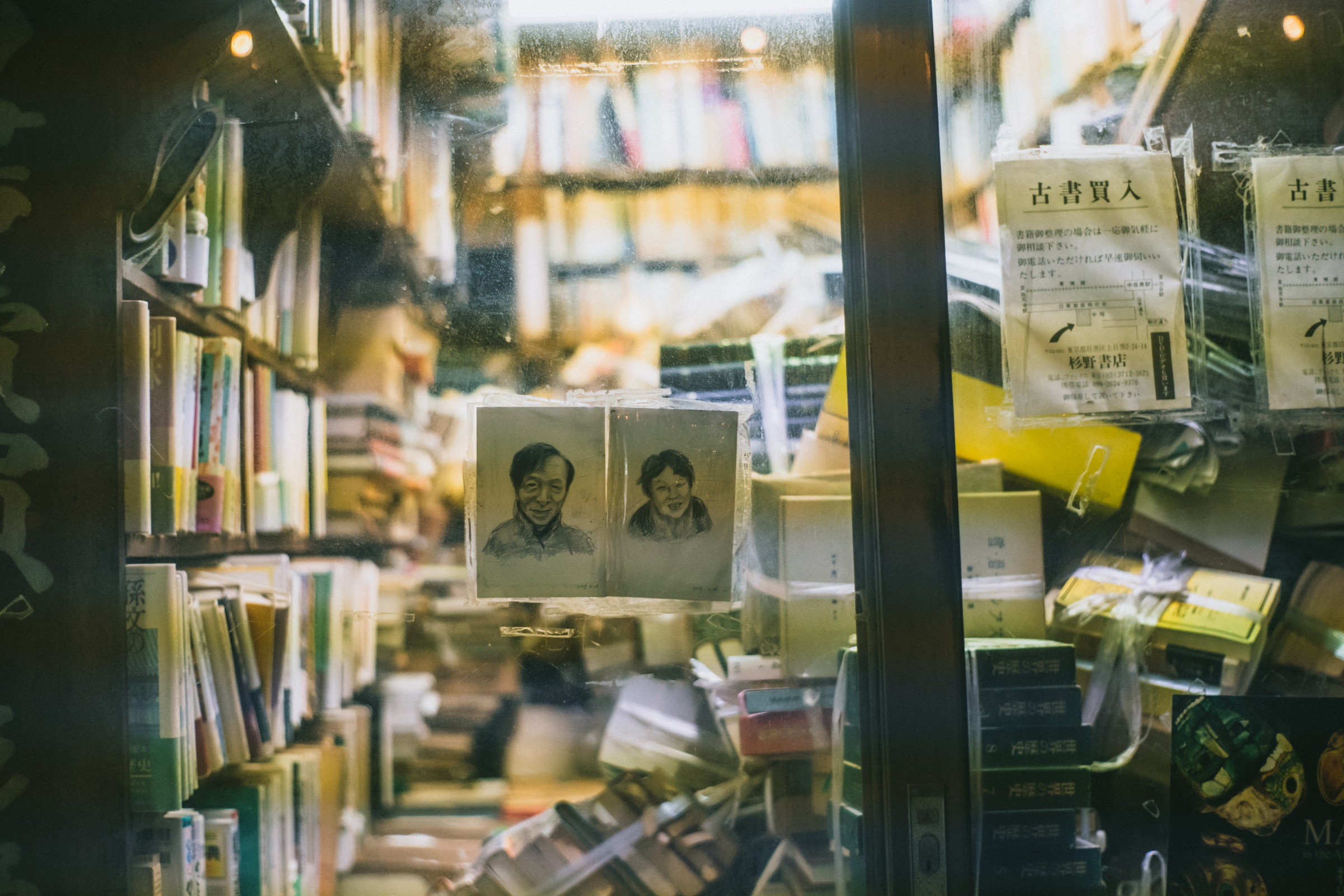
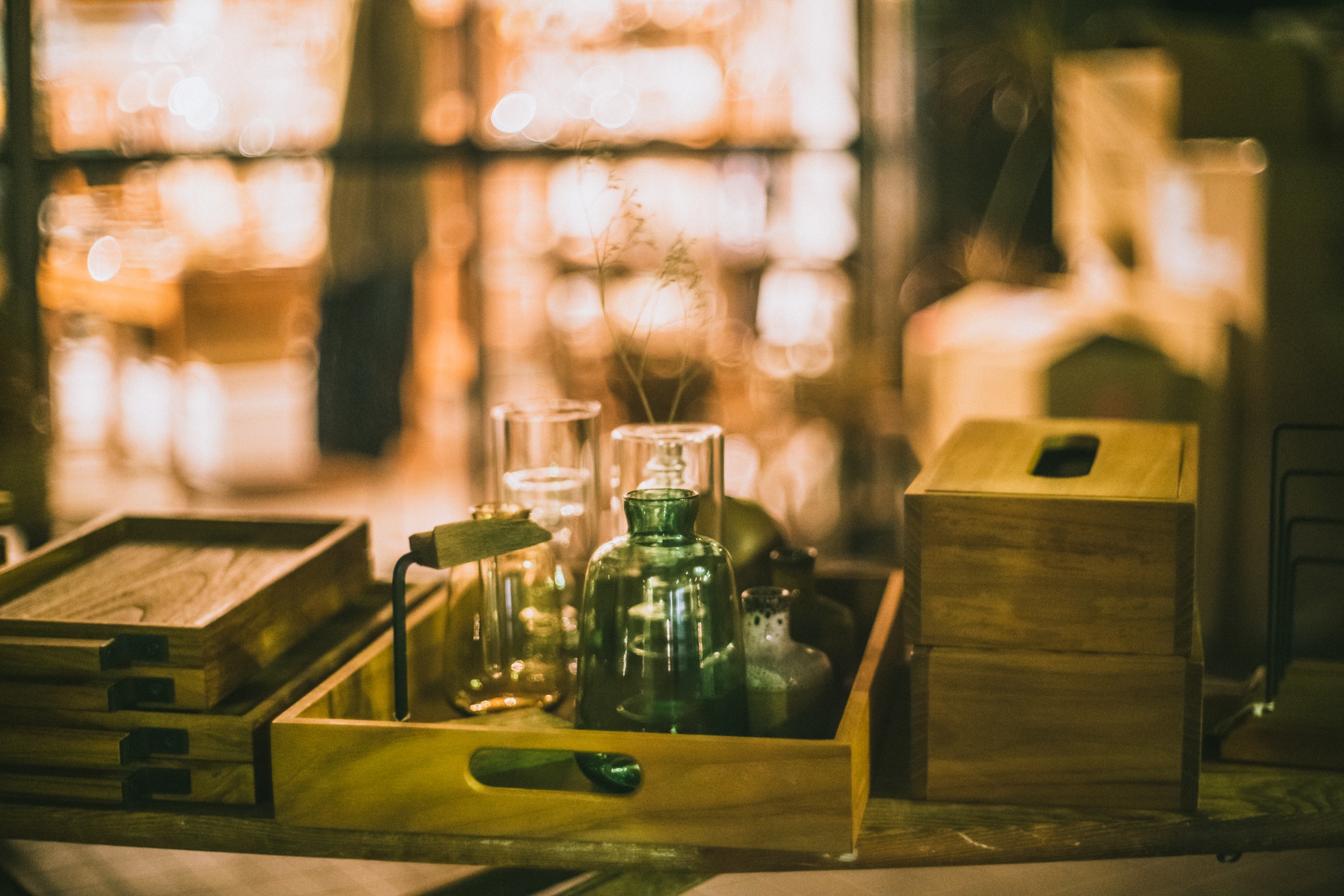
代官山のカメラ店から、祐天寺のカメラカフェに向かう途中、中目黒から祐天寺まで散策して何枚か撮影しました。

すでに夕暮れ時でしたが、かえって店のライトなどが背景になってくれたのでこのレンズの特徴がよく出ているのではないかと思います。

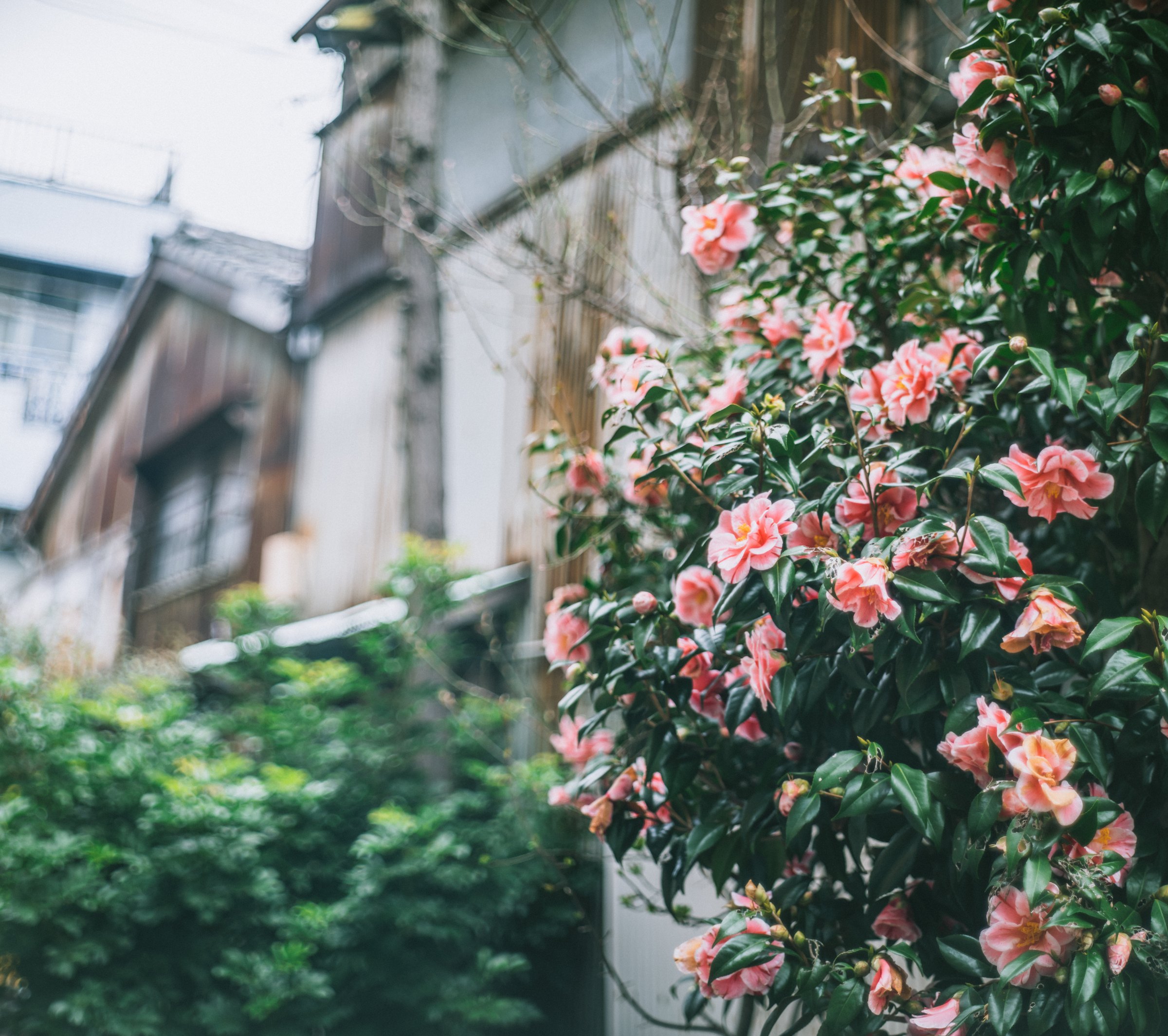
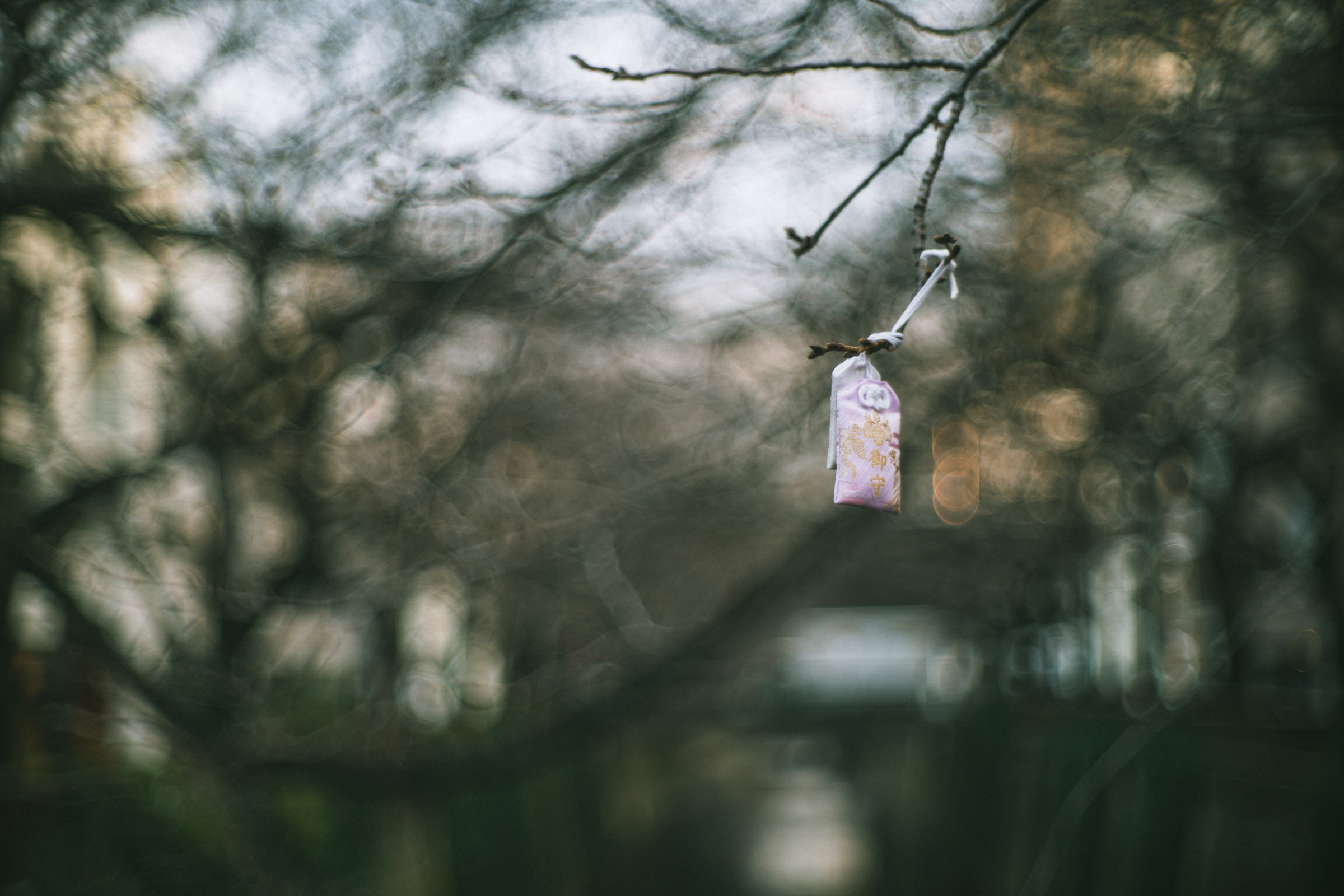
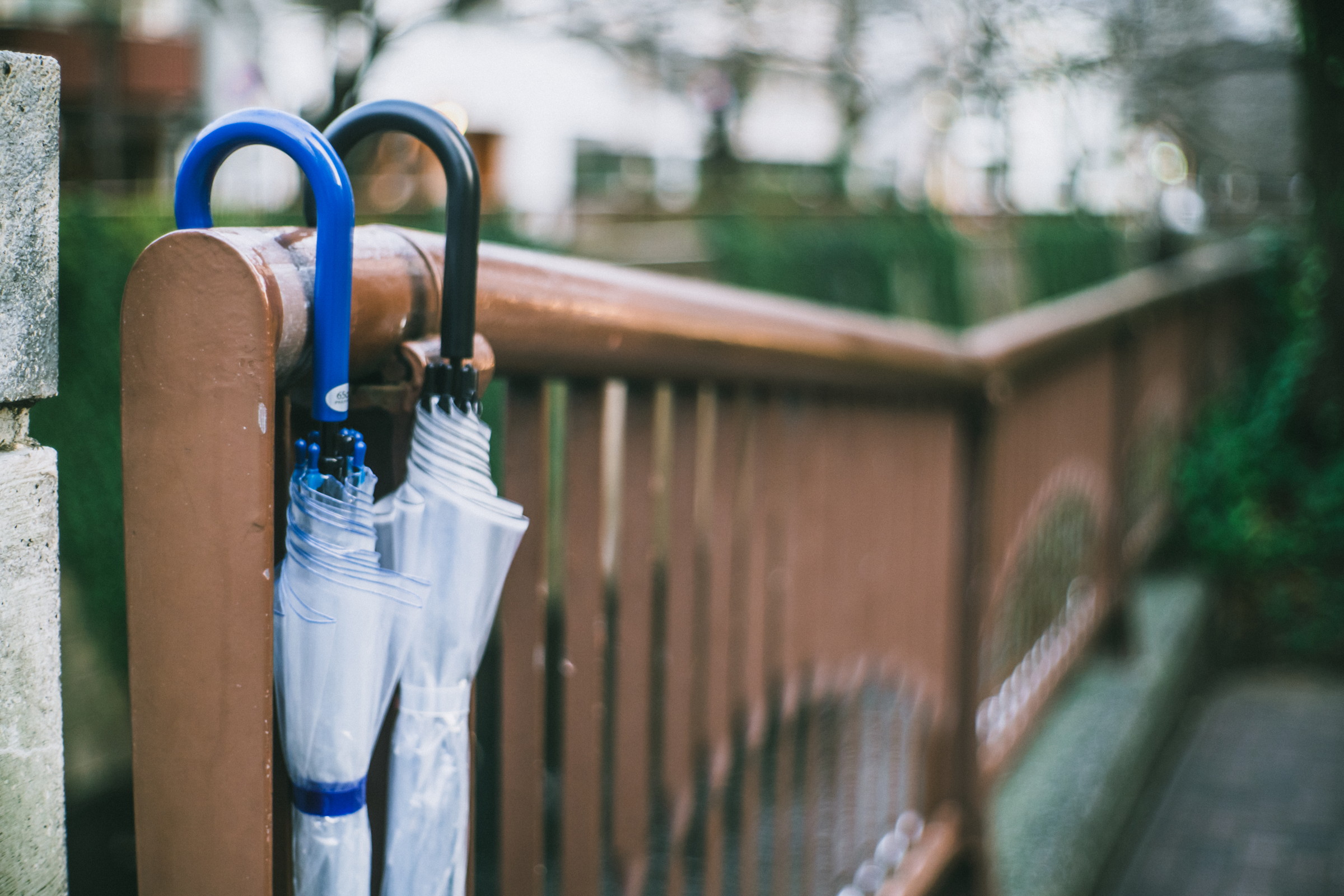
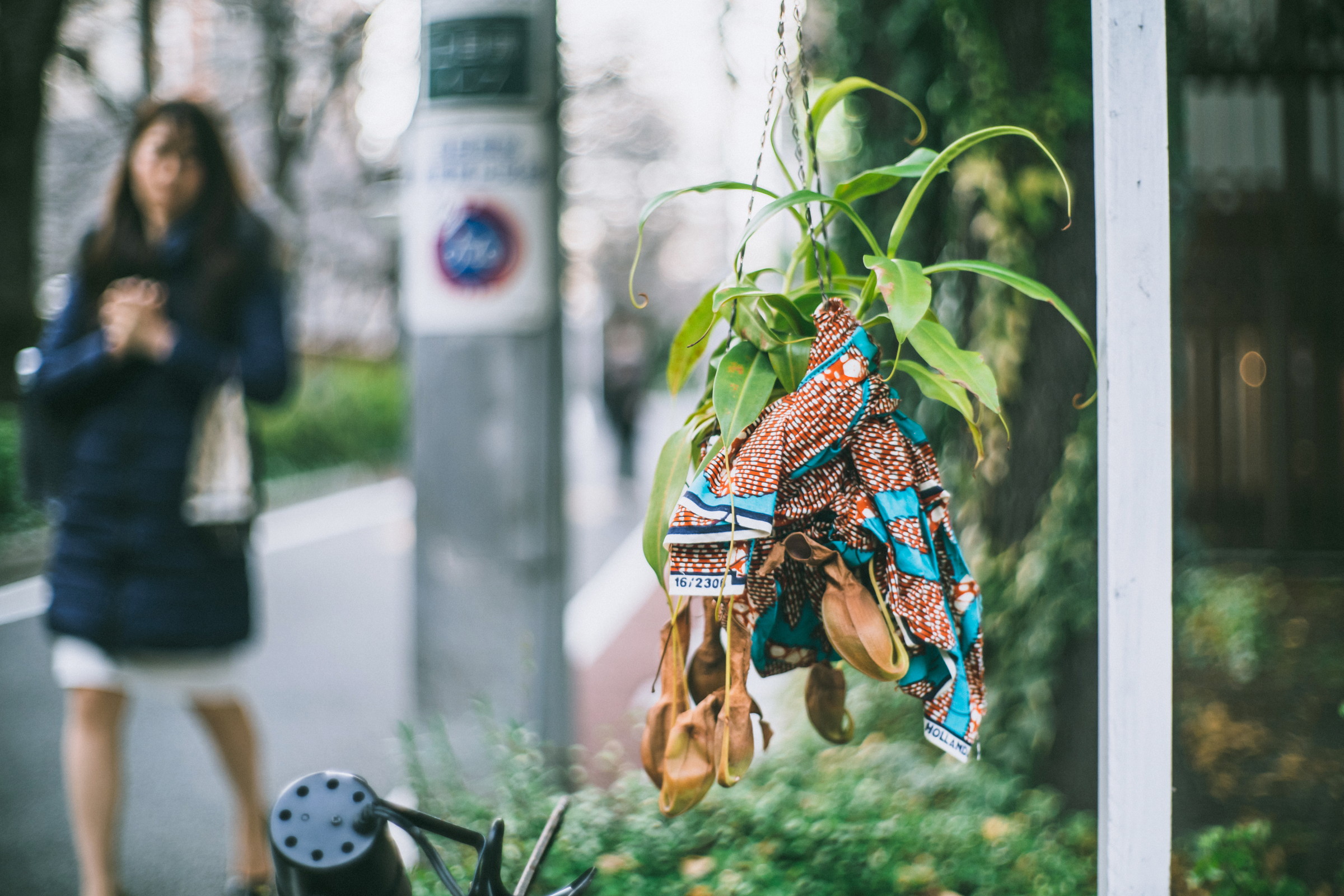
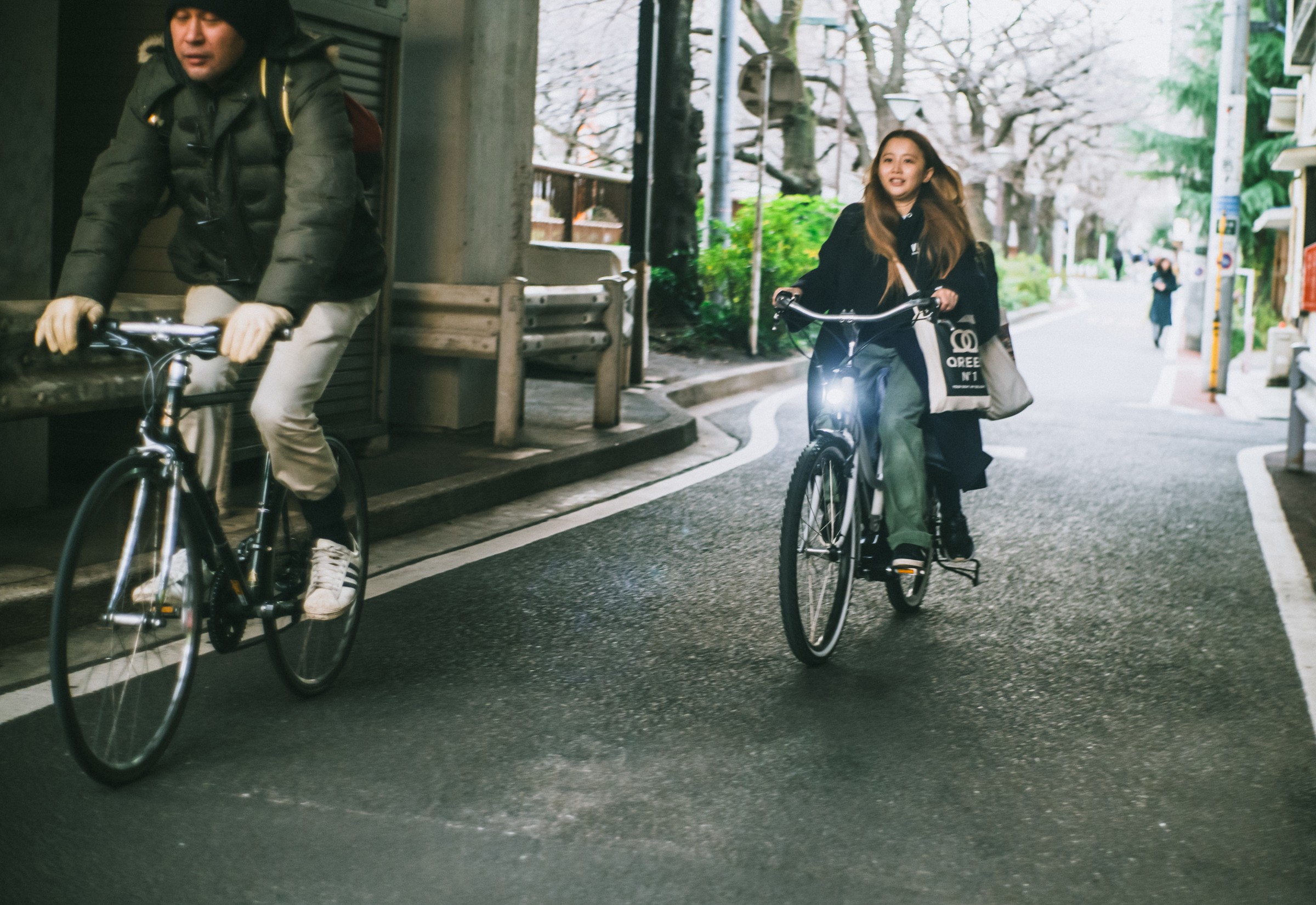
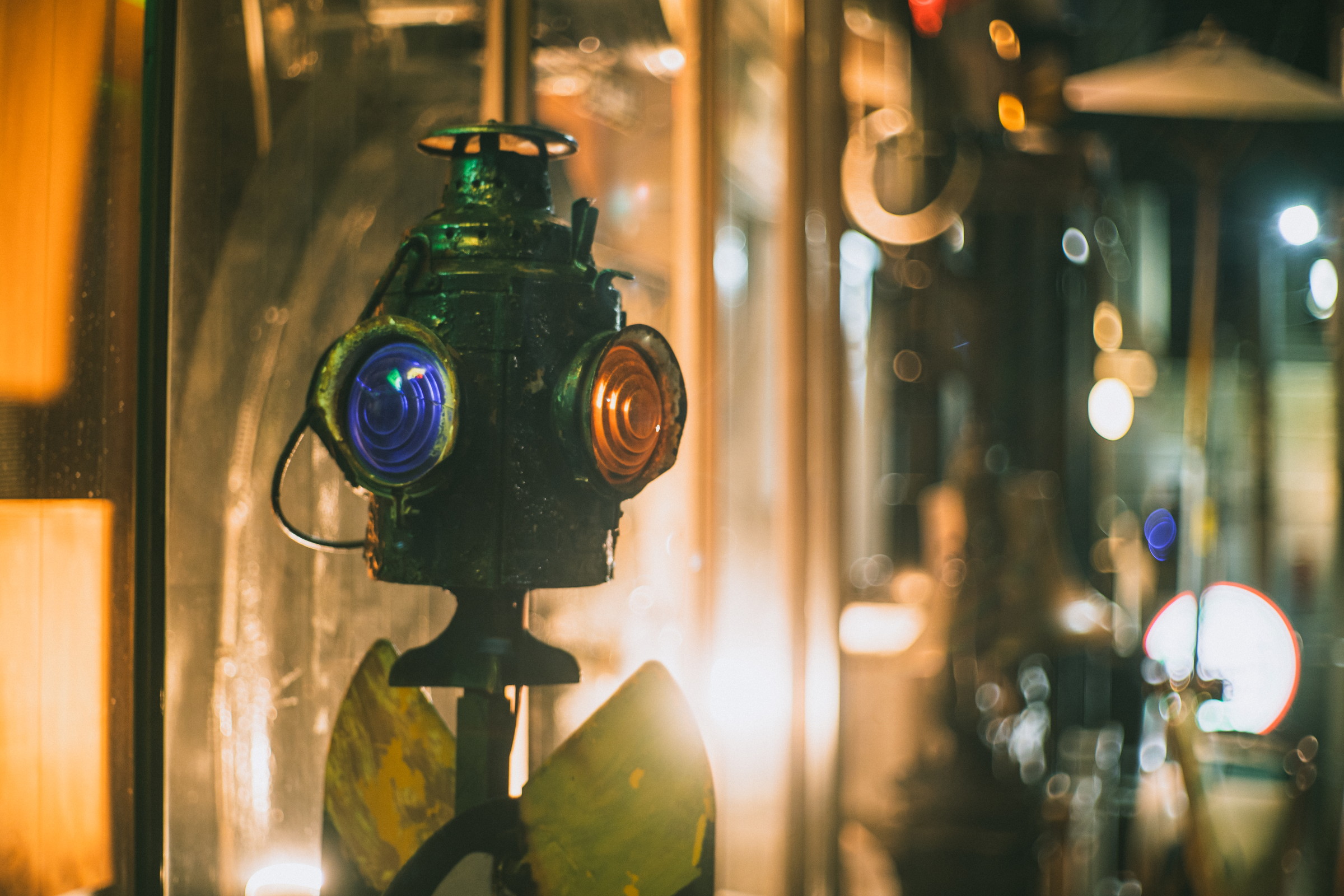
開放ではハイライトにハロが多めに出てますね。でもわずかに絞ると急速に解消します。ボケは予想よりは弱いですが、それでも結構ざわざわすることがあるようです。点光源では周辺に向かって、それほどは強くないコマ収差が乗っていることが分かると思います。ピント部分の描写はしっかりしています。

On my way from a camera shop in Daikanyama to a camera cafe in Yutenji, I took a walk from Nakameguro to Yutenji and took several photos.
It was already dusk, but the shop lights and other elements served as a good background, which I think really brings out the characteristics of this lens.
At wide open aperture, there's quite a bit of halo in the highlights. However, it disappears quickly when stopped down slightly. The bokeh is weaker than expected, but it can still be quite noisy at times. With point light sources, you can see that there's a slight coma aberration towards the periphery. The focus is sharp
.
2019
Tsukiji , Tsukishima
(築地、月島)

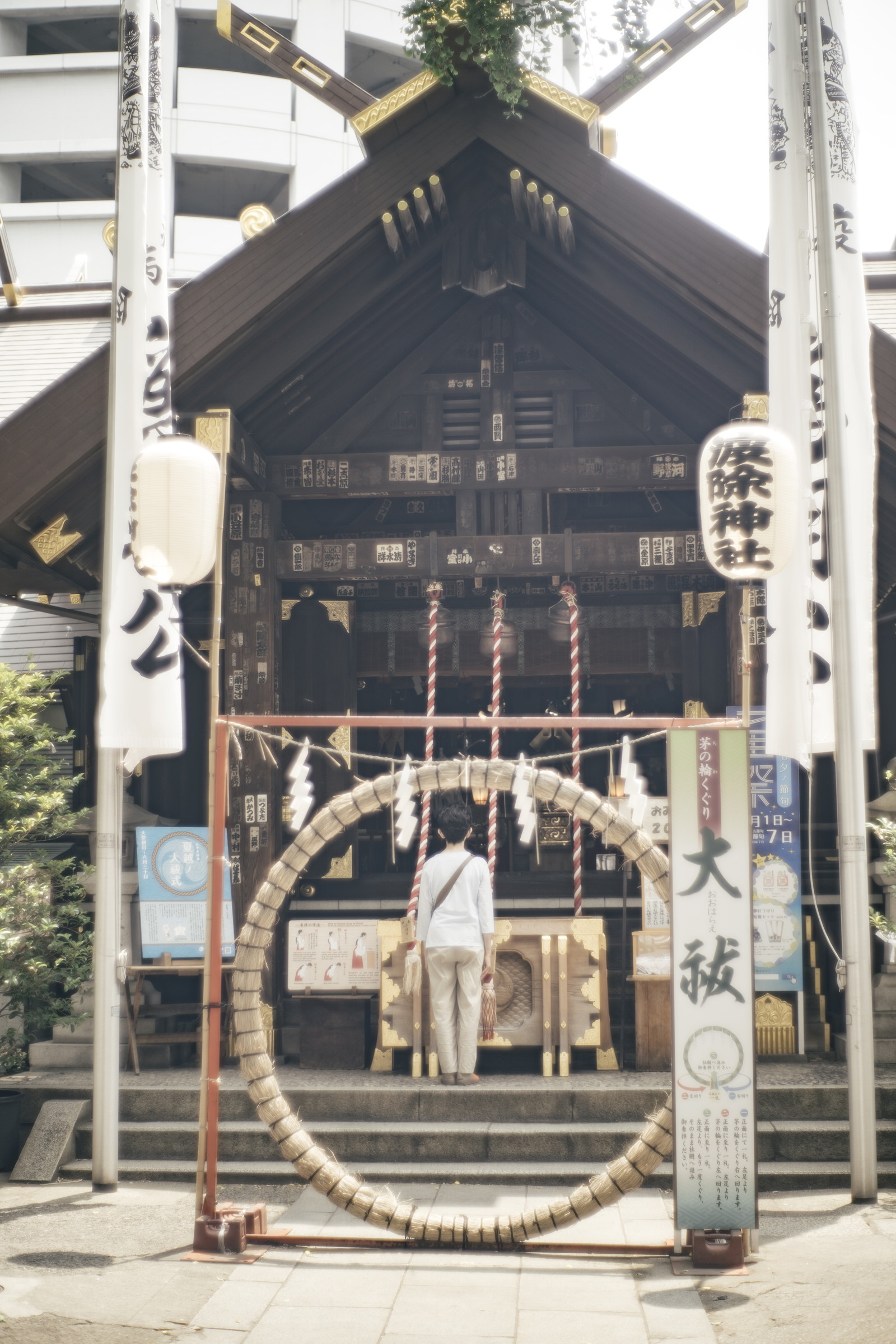
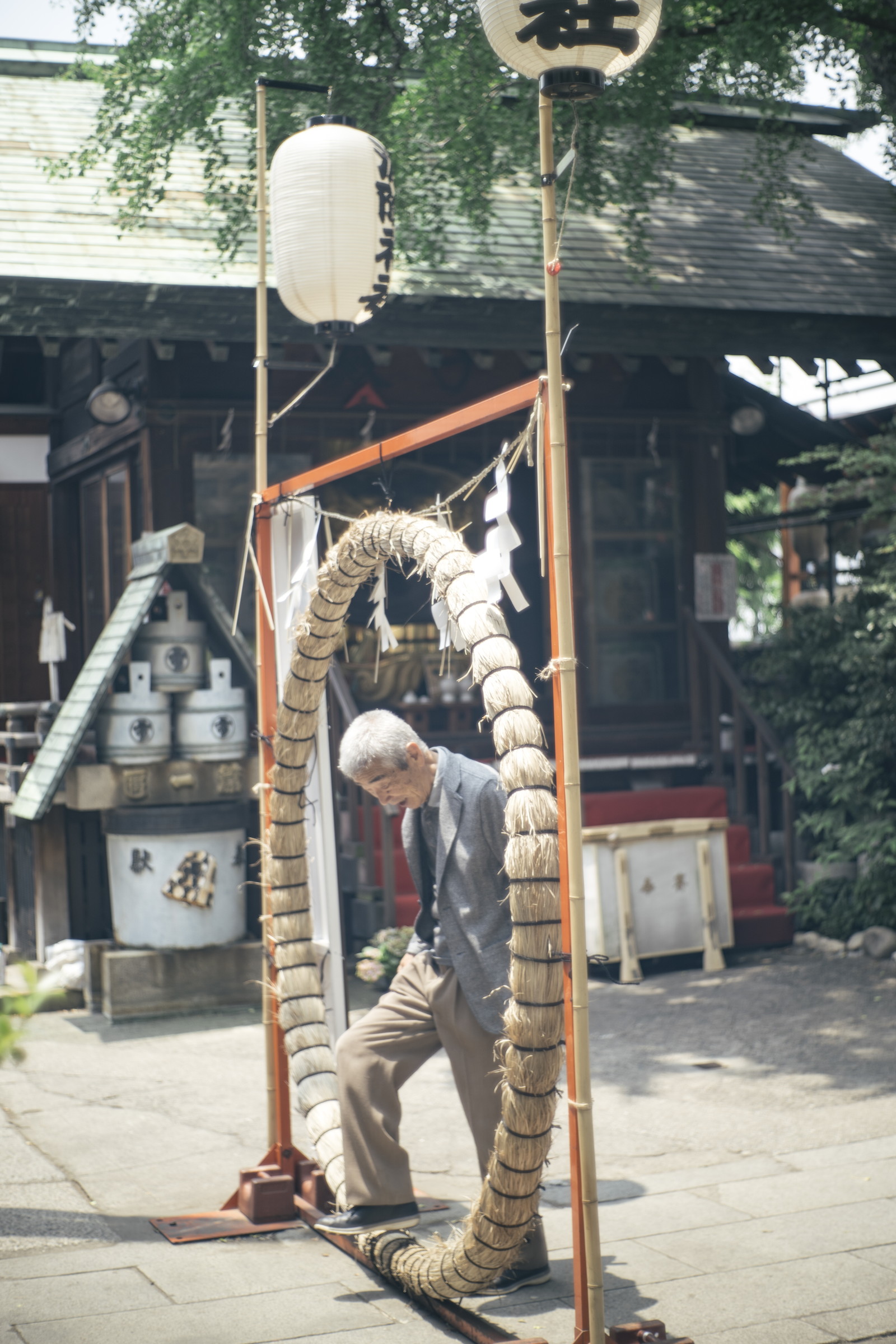
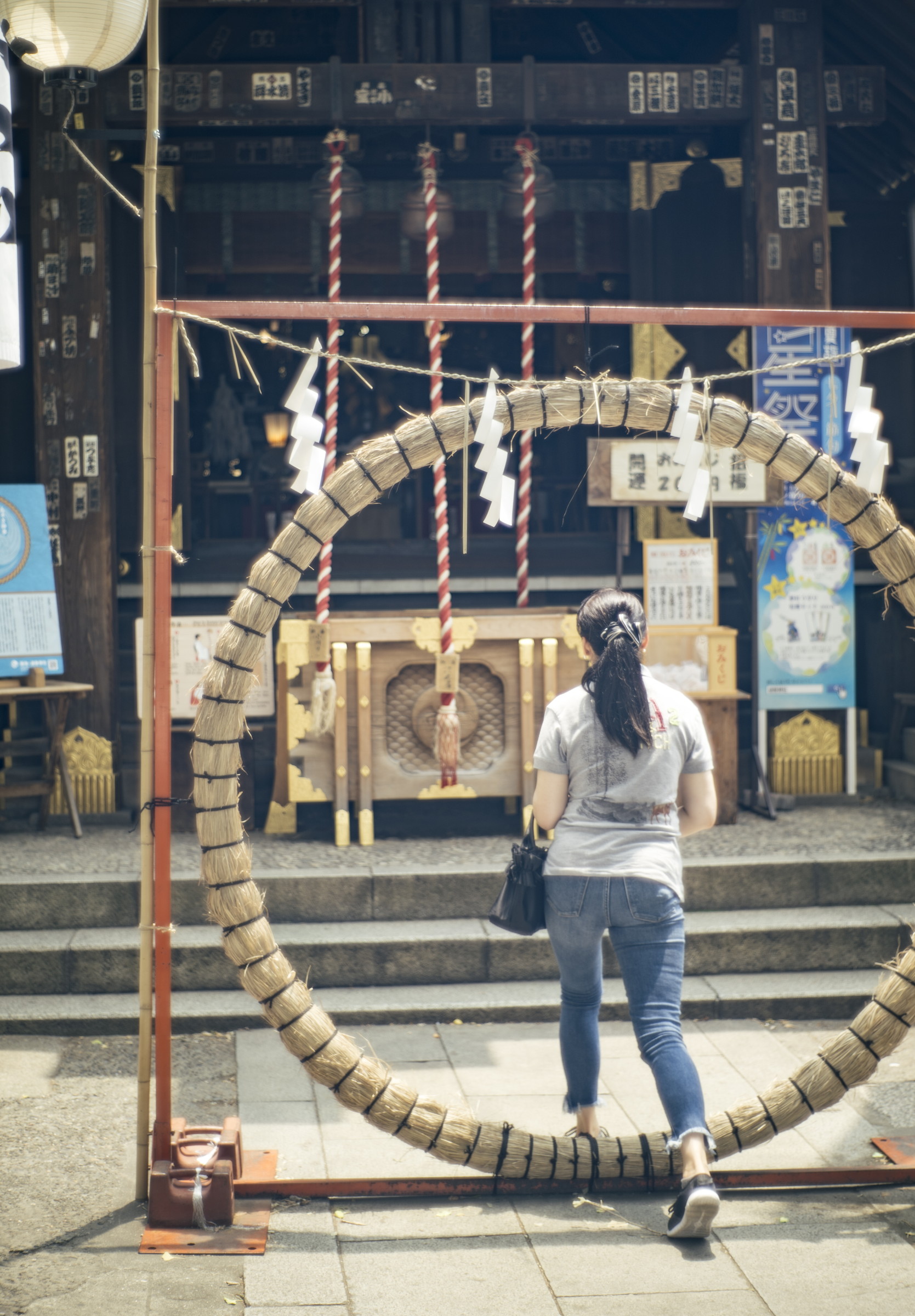
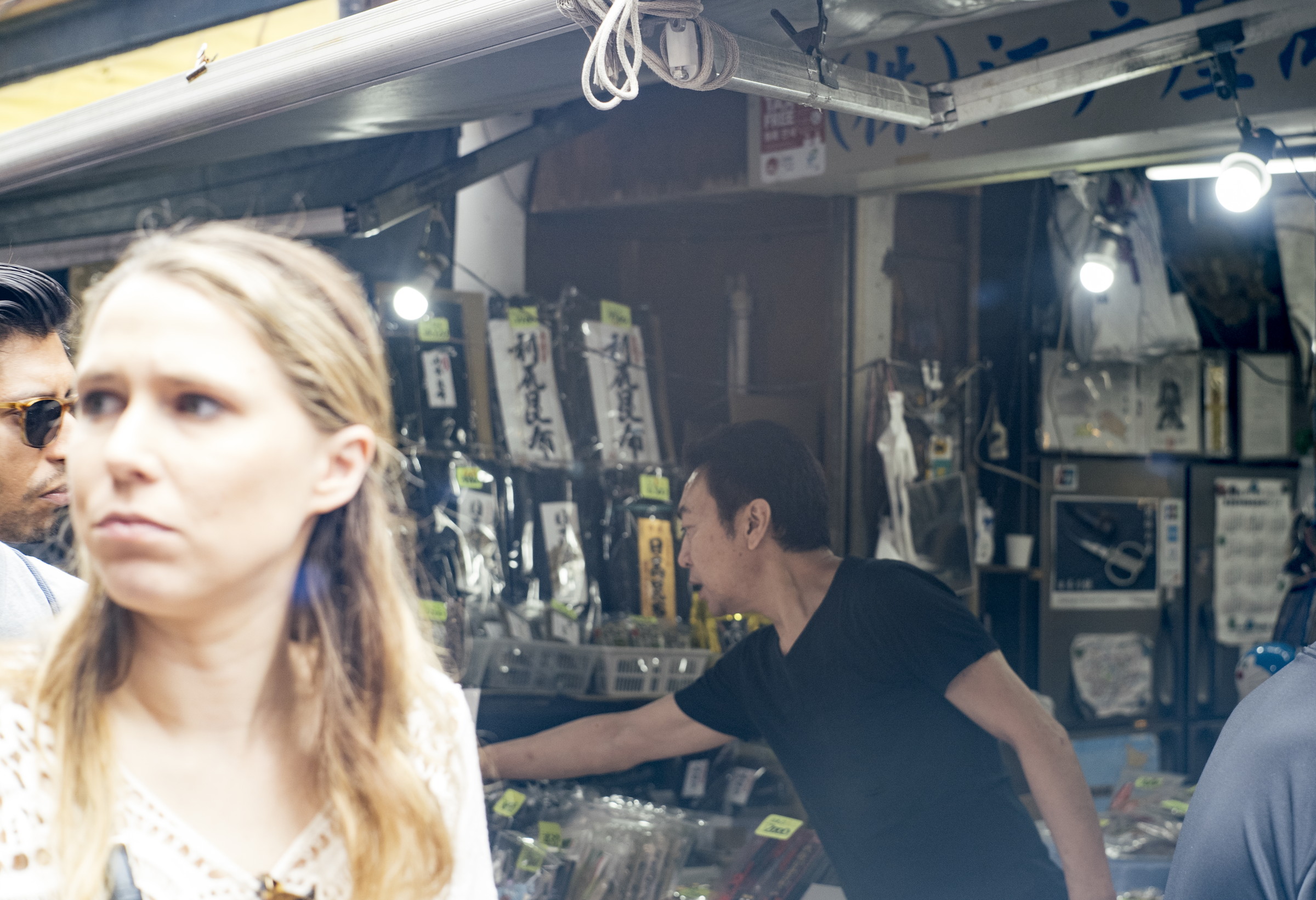
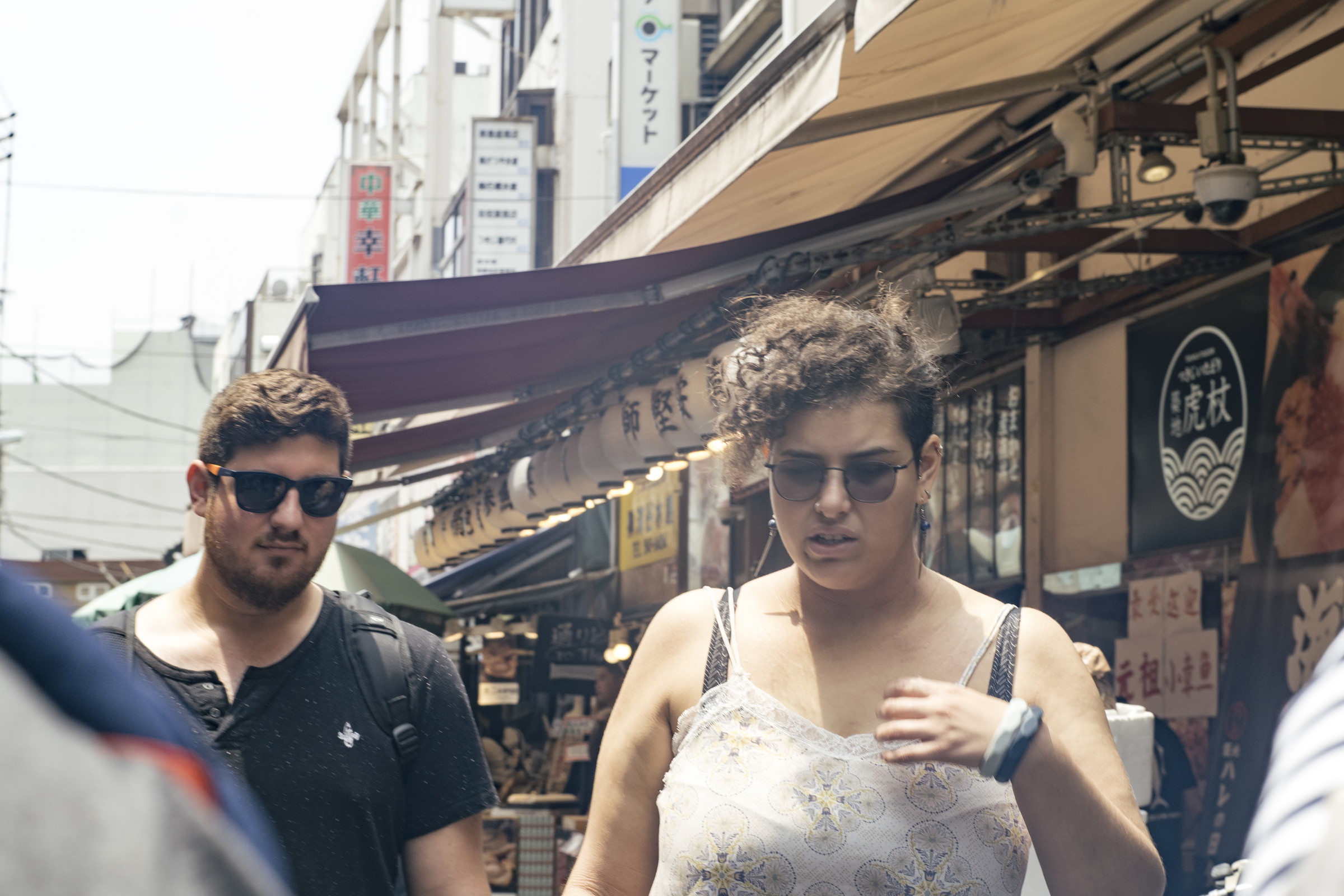
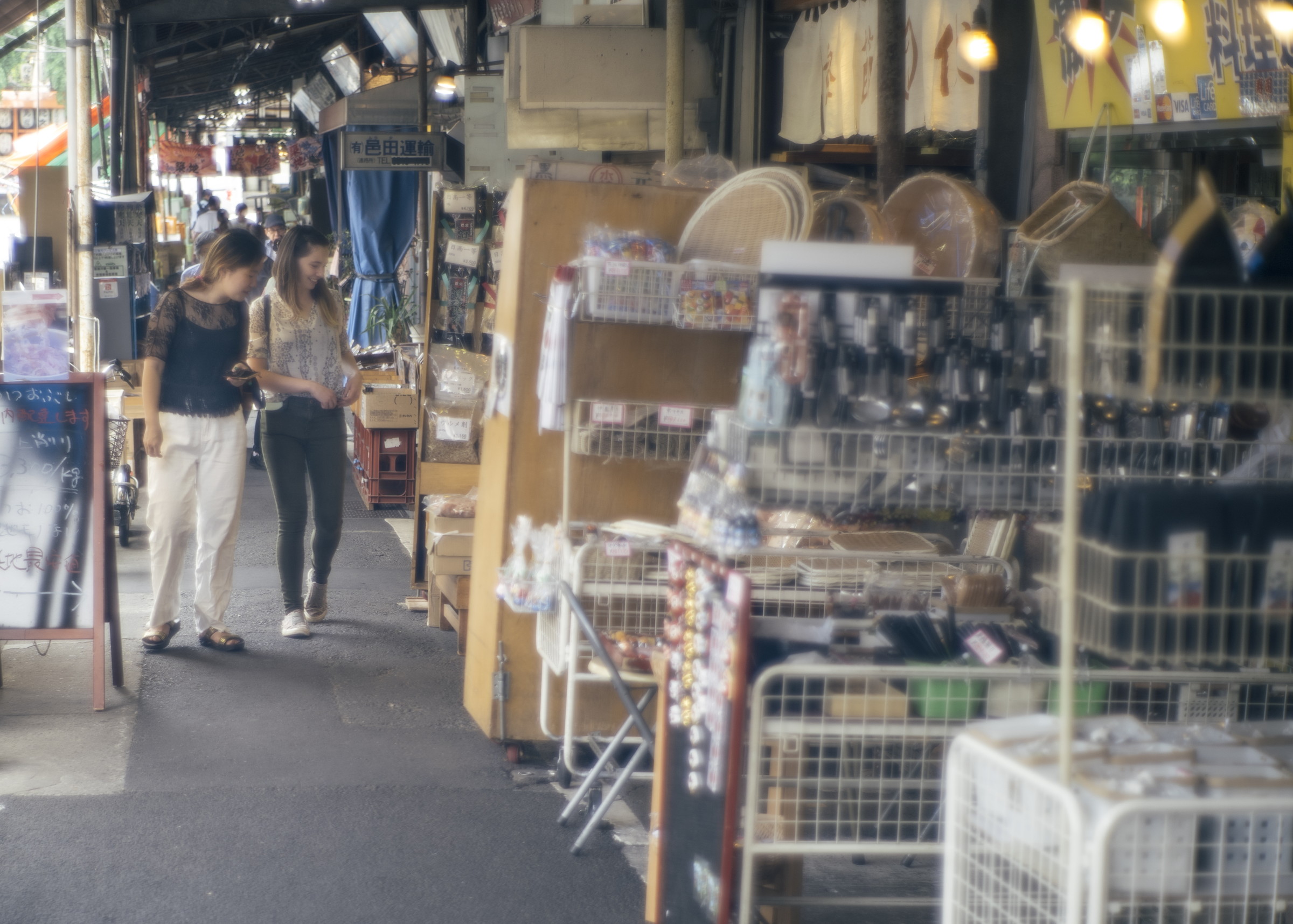
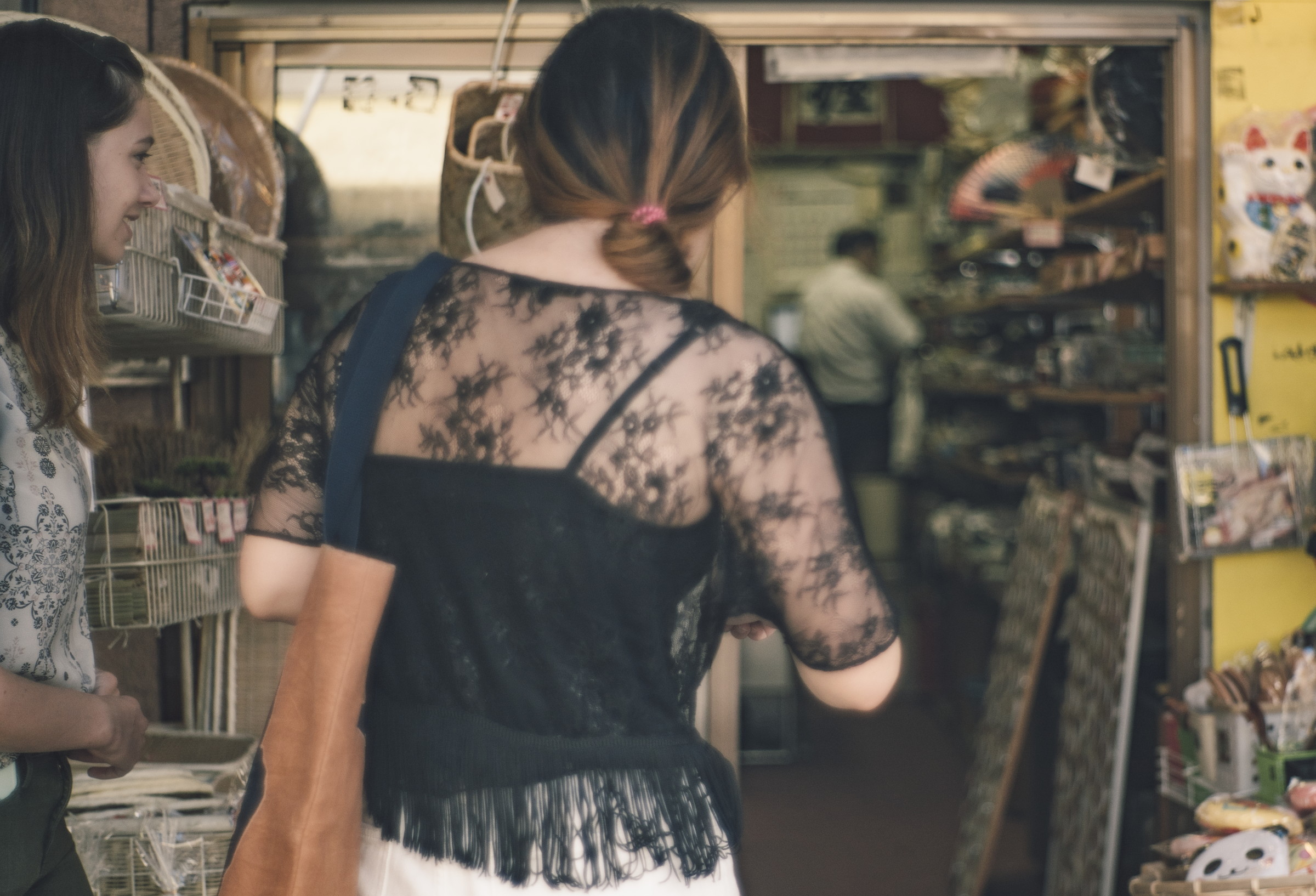
この珍しいレンズの初めての外出は築地の波除神社でした。境内には茅の輪くぐりの設えがあり、厳かなるもあわせてほっこりした気分になります。
その後、場外を少しぶらつきましたが、それほど写真は撮らず、散策しながら月島まで足を延ばしました。

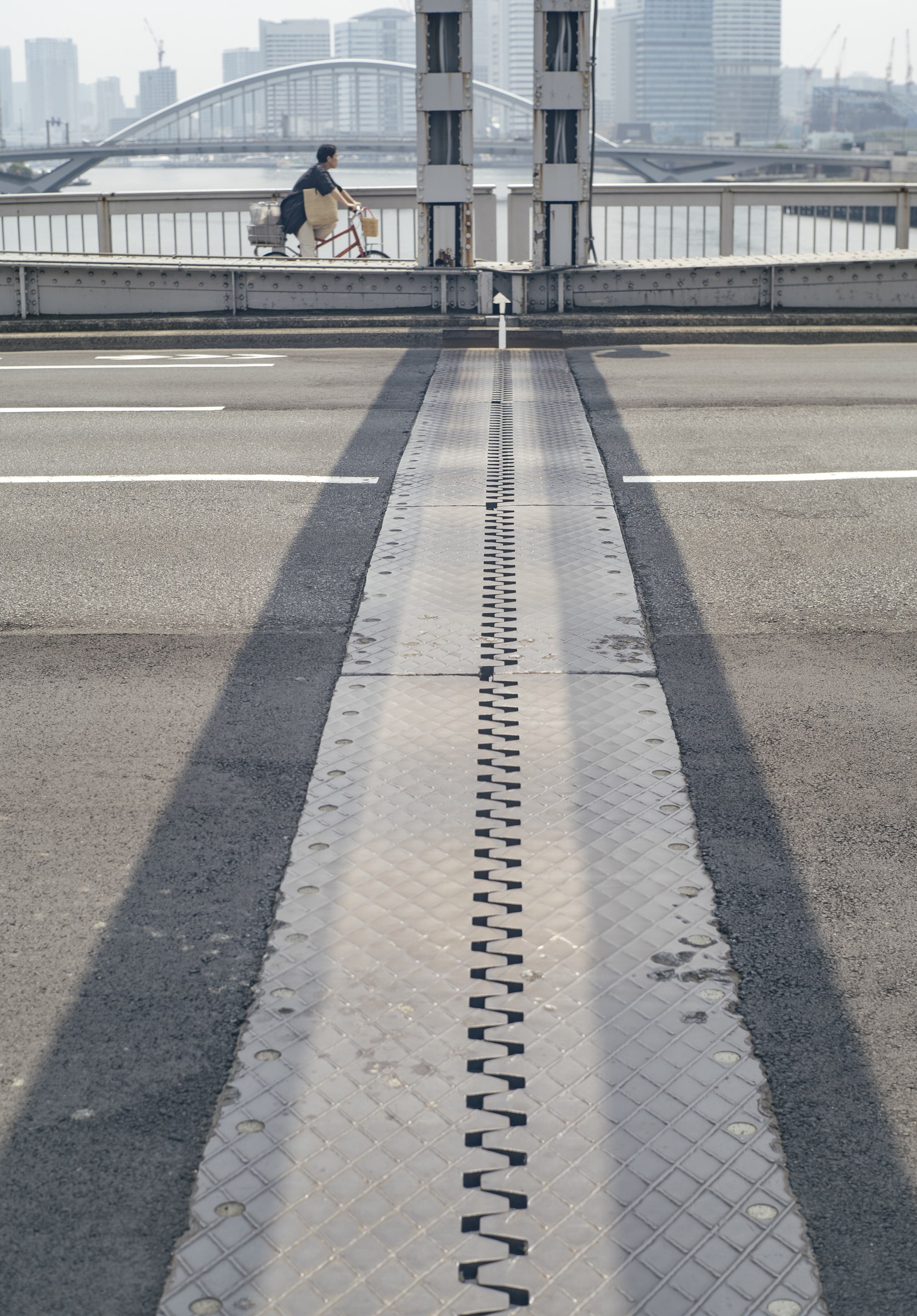
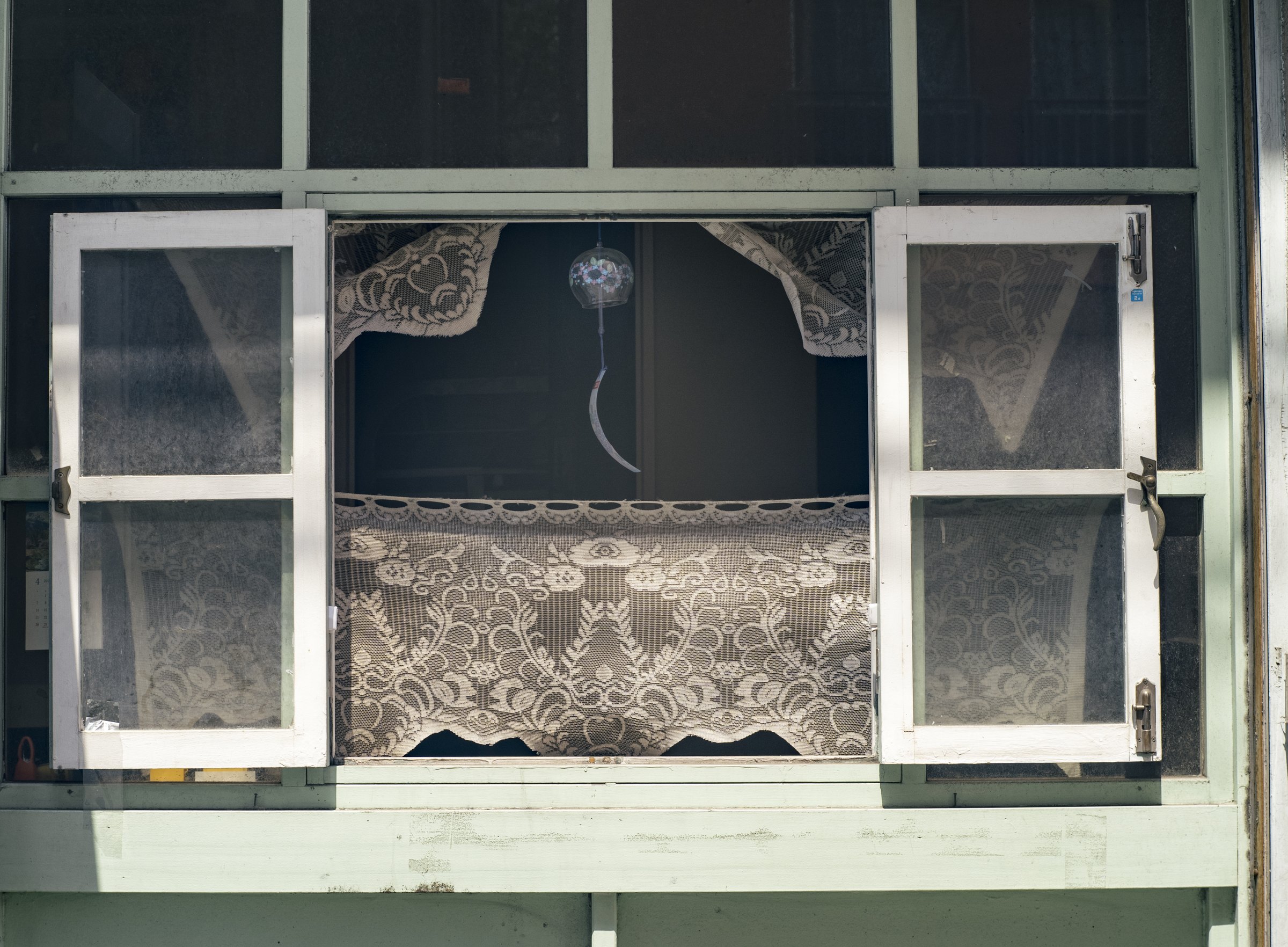
来るたびに変貌していくこのエリアですが、まだ辛うじて昭和の路地も残されています。新しくなる部分はお洒落に、そして古い部分も一定の割合は保存して残していってほしいと思います。

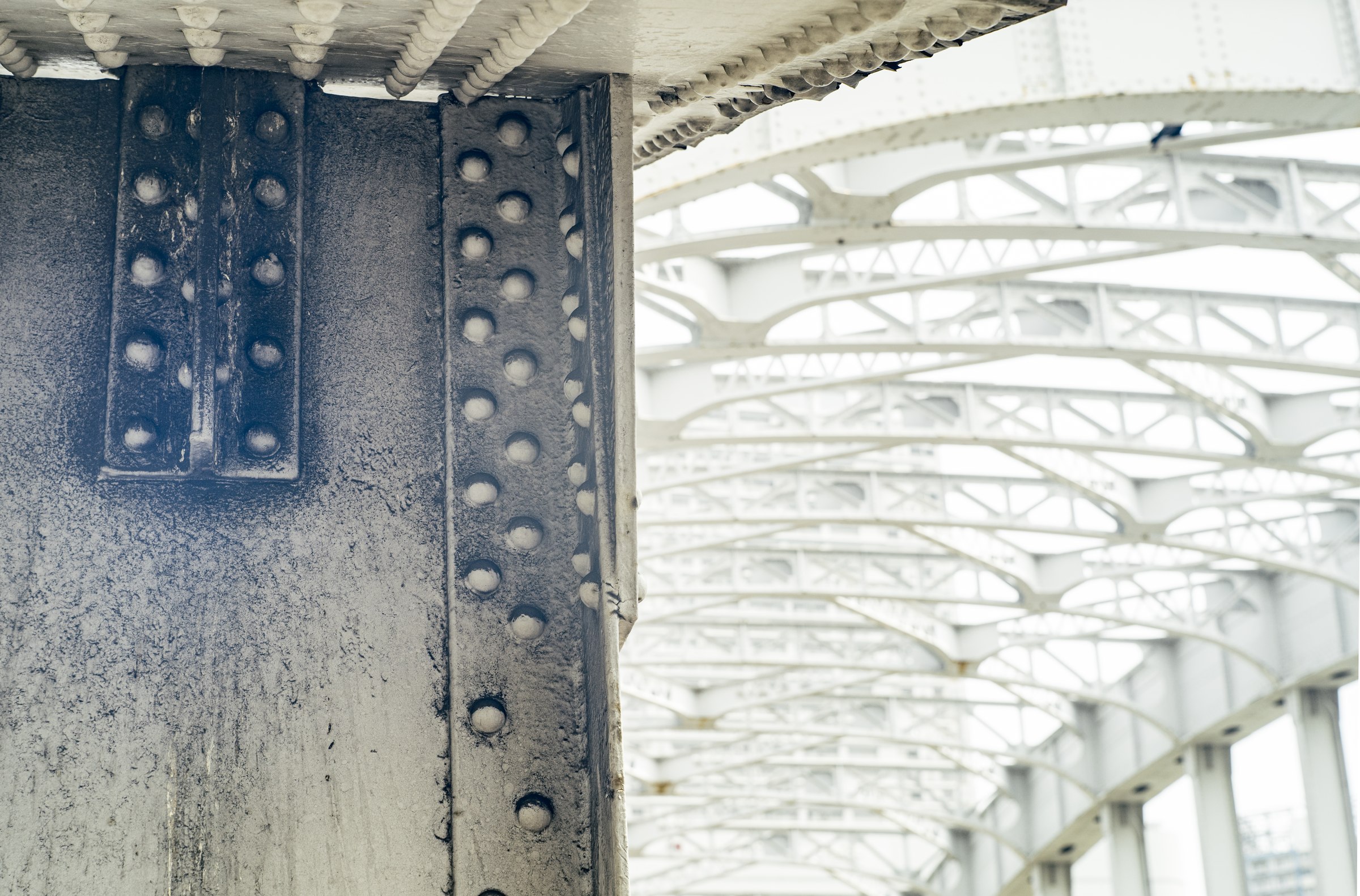
描写は、さすがに戦後まもなくの大口径レンズですので絞り開放ではすこし逆光に弱いと思います。一方でボケの固さは予想していたほどではありませんでした。

This rare lens's first outing was to the Namiyoke Shrine in Tsukiji. The shrine grounds had a thatched ring for passing through, creating a solemn yet heartwarming atmosphere. Afterward, I strolled around the outer market for a bit, but didn't take many photos. Instead, I continued my walk to Tsukishima.
This area is constantly changing, but some Showa-era alleys still remain. I hope that the new parts will be stylish, while a certain proportion of the old parts will be preserved.
Regarding the image quality, as expected from a large-aperture lens from the immediate post-war period, it's a little weak against backlighting at wide apertures. On the other hand, the bokeh wasn't as harsh as I had anticipated.

 
home